Modern blockbuster gaming loves big numbers. Scroll through almost any major AAA marketing campaign and the same promises appear again and again: over 100 hours of gameplay, a map four times larger than the previous entry, hundreds of side activities, and an endless stream of gear to chase. To major publishers, length has become one of the easiest ways to communicate value.
Yet ask longtime PC gamers which games actually stayed with them five or ten years after the credits rolled, and a clear pattern emerges. Alongside a handful of truly legendary epics, many of the games people remember with genuine warmth and emotion are compact indie experiences that can be finished in a single weekend. A three-hour mystery, a two-hour desert pilgrimage, or a four-hour psychological thriller frequently leaves a sharper impression than a massive open-world adventure someone spent two months trying to complete.
This is not an accident, nor is it simply nostalgia for shorter eras of gaming. Short indie games hit harder because compact design changes pacing, mechanics, emotional impact, and the creative freedom developers have to experiment. They are not automatically better than longer games, yet they demonstrate something the industry sometimes forgets: a memorable experience does not need to occupy hundreds of hours of your life.
The Dollars Per Hour Trap
For years, gaming discussions have been shaped by a deceptively simple formula: divide the price of a game by the number of hours it takes to finish. Under that logic, a $70 open-world game that lasts 100 hours costs 70 cents per hour, while a $15 indie game that lasts three hours costs $5 per hour. On a spreadsheet, the massive open world looks like the smarter purchase every single time.
The flaw in that reasoning becomes obvious the moment you apply it to other forms of entertainment. Nobody walks out of a razor-sharp 95-minute film wishing the director had added two extra hours of characters walking through hallways just to lower the cost per minute. Nobody judges a novel purely by its page count or measures the quality of a restaurant meal by the weight of the plate.
Yet video games are routinely evaluated through exactly this kind of arithmetic, creating an unhealthy expectation that every purchase must deliver dozens of hours of content to justify its price. That mindset also encourages unnecessary padding in development. A studio with a genuinely compelling 15-hour concept often feels pressure to advertise an 80-hour campaign because audiences have come to expect it from certain genres. Optional activities can certainly make a world feel richer, yet when quantity becomes a goal in itself, the core experience suffers.
Copy-and-pasted enemy camps, repetitive resource gathering, bloated crafting trees, long stretches of empty traversal, and endless checklists of map icons can turn a promising adventure into a collection of chores. When you measure a game purely by how long it occupies your evenings, you stop asking a much more important question: how many of those hours actually felt worthwhile?
Pacing, Editing, and the Power of Restraint
Great editing is one of the hardest skills in any creative medium. Knowing what to cut often takes far more confidence than knowing what to add.
Large open-world games face an inherent structural tension. Because players can spend hours wandering, completing side quests, collecting resources, or upgrading equipment, the main narrative has to stay loose enough to accommodate all that freedom. That opens up wonderful opportunities for exploration, yet it also softens dramatic urgency. A desperate storyline loses momentum when the protagonist pauses saving the world to gather collectibles or clear identical enemy outposts, and even brilliant mechanics lose their spark when repeated too many times without meaningful evolution.
Short indie games operate under a different kind of discipline. When developers design an experience intended to last between two and five hours, every room, conversation, sound cue, and gameplay twist carries more weight. With little room for filler, mechanics can be introduced cleanly, twisted in surprising ways, and brought to a satisfying conclusion before fatigue ever sets in.
| Design Element | 100-Hour Open-World Design | Focused Short Indie Design |
|---|---|---|
| Pacing | Flexible, allowing players to wander between main and optional activities | Tightly structured, with deliberate rises in tension and release |
| Core Mechanics | Repeated across many hours, often supported by incremental upgrades | Introduced, developed, and explored through focused variations |
| Story Momentum | Frequently interrupted by exploration, grinding, and optional tasks | Follows a continuous emotional or narrative arc |
| Completion | A heavy time commitment makes reaching the ending harder for many players | Approachable for players who want to experience the complete story |
| Creative Risk | Large budgets increase pressure to rely on proven commercial conventions | Smaller scopes make unusual mechanics and bold concepts practical |
| Memory | Contains memorable highlights, often separated by long stretches of routine | Distinct scenes and ideas stay closely connected in the player’s memory |
Restraint does not mean a game has small ambitions. It means the developers chose a specific experience and shaped every element around it. A compact game can be just as ambitious as a sprawling RPG, because it concentrates its creative energy into carefully crafted moments rather than stretching it thin.
Three Short Indie Games That Prove Less Time Creates Deeper Emotion
When developers focus on emotional precision rather than artificially extending runtime, a compact game can hit with remarkable force. Three standout indie titles show how much humanity and artistic focus can fit inside a single afternoon.
What Remains of Edith Finch
Developed by Giant Sparrow and published by Annapurna Interactive in 2017, What Remains of Edith Finch takes roughly two to three hours to complete. You return to an eccentric, towering family home in Washington state, exploring the sealed bedrooms of deceased relatives and reliving their final moments through a series of interactive vignettes.
What makes the game unforgettable is how consistently each vignette invents its own distinct mechanical language. One memory unfolds through the panels of a comic book; another transforms a monotonous shift at a fish cannery into an overwhelming daydream that slowly consumes the screen while your hand keeps working almost automatically. These sequences do not merely tell different stories inside the same template. They turn interaction itself into storytelling.
Maintaining that level of bespoke mechanical invention across a 50-hour campaign would be an enormous production challenge. Instead, Giant Sparrow concentrated every creative spark into a compact evening where nearly every sequence leaves a lasting mark.
No, I’m Not a Human
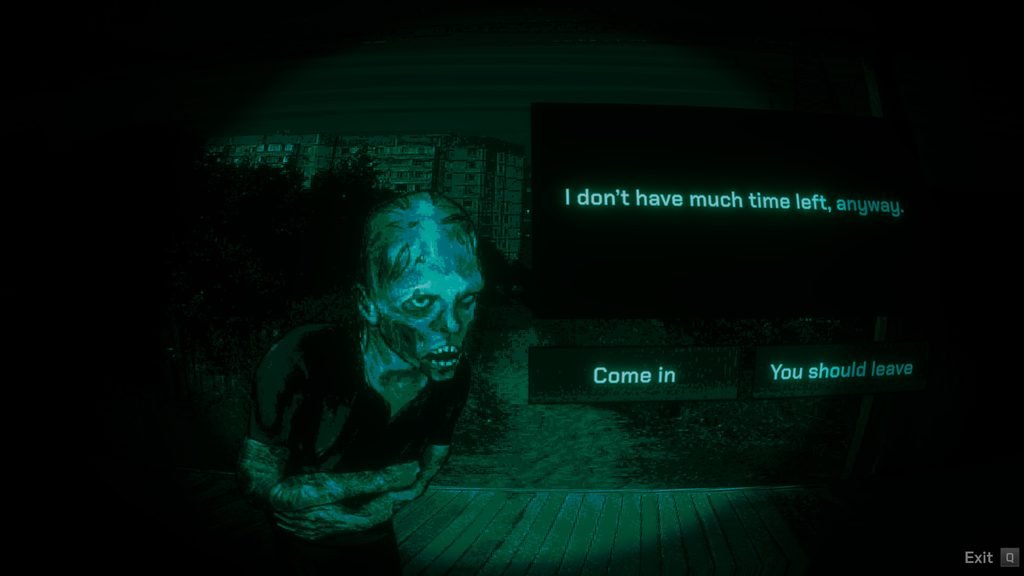
Developed by Trioskaz and published by CRITICAL REFLEX, No, I’m Not a Human proves that you do not need a sprawling map to build suffocating dread. Set during a sun-scorched apocalypse where stepping outside during the day is fatal and shapeshifting Visitors knock on your front door at night, the game unfolds inside a single house across a series of increasingly tense encounters.
Every night, desperate strangers beg for shelter, forcing you to decide who gets let inside and who gets turned away. By inspecting guests for subtle physical tells such as bloodshot eyes, unnatural teeth, or dirty fingernails, the game turns paranoia and human distrust into its core mechanics.
The brilliance of this setup lies in its restraint. You are not exploring a massive wasteland or fighting waves of monsters; you are making agonizing decisions with incomplete information, knowing that trusting the wrong person or turning away someone innocent carries real consequences. A longer survival game could easily expand this premise with crafting grids and scavenging loops, yet the tight structure of No, I’m Not a Human keeps the dread front and center. Every knock at the door matters because the game never lets you forget what is at stake.
Firewatch
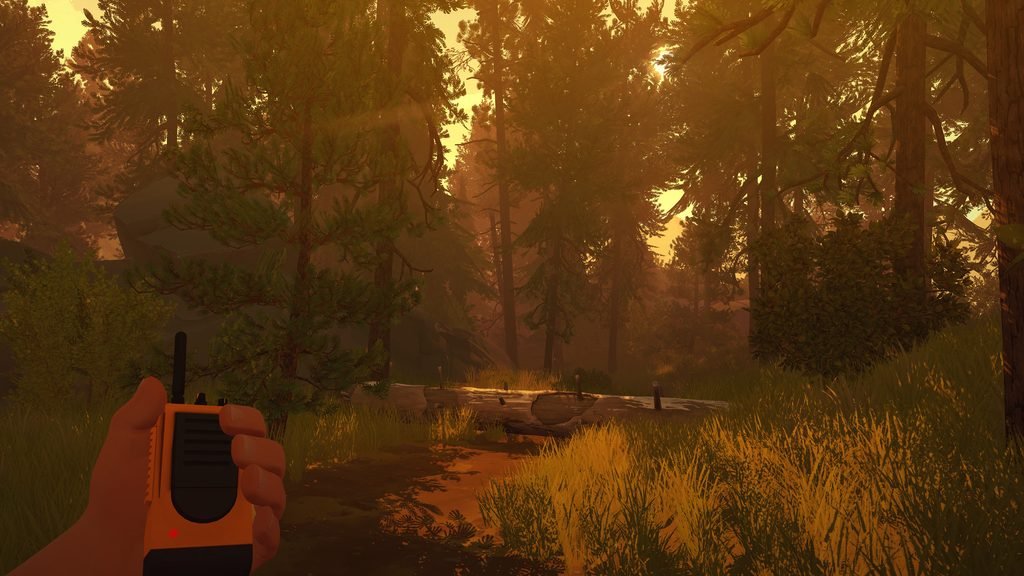
Developed by Campo Santo and published by Panic in 2016, Firewatch unfolds over roughly four to five hours inside the sunlit Wyoming wilderness of 1989. Taking a summer job as a fire lookout to escape grief and personal turmoil, protagonist Henry builds an intimate, funny, and increasingly tense relationship with his supervisor Delilah entirely through a handheld walkie-talkie.
The game’s greatest strength is its dialogue. Conversations feel natural and occasionally awkward in the way real conversations do, allowing the relationship and sense of isolation to evolve steadily as the mystery surrounding the forest deepens. Because the story stays compact, its emotional arc maintains a clear direction, giving its characters room to breathe without losing momentum.
Its ending also deserves credit for rejecting conventional Hollywood spectacle in favor of something restrained, bittersweet, and painfully human. While longer games can certainly tell grounded stories too, Firewatch demonstrates how a focused runtime preserves the intimacy of a character-driven drama.
Three Compact Masterpieces Driven by Atmosphere and Unforgettable Craft
Short indie games do not only shine in quiet emotional dramas. Compact runtimes are equally effective for horror, suspense, and atmospheric storytelling, where sustaining tension and surprise matters far more than offering dozens of hours of content.
Inside
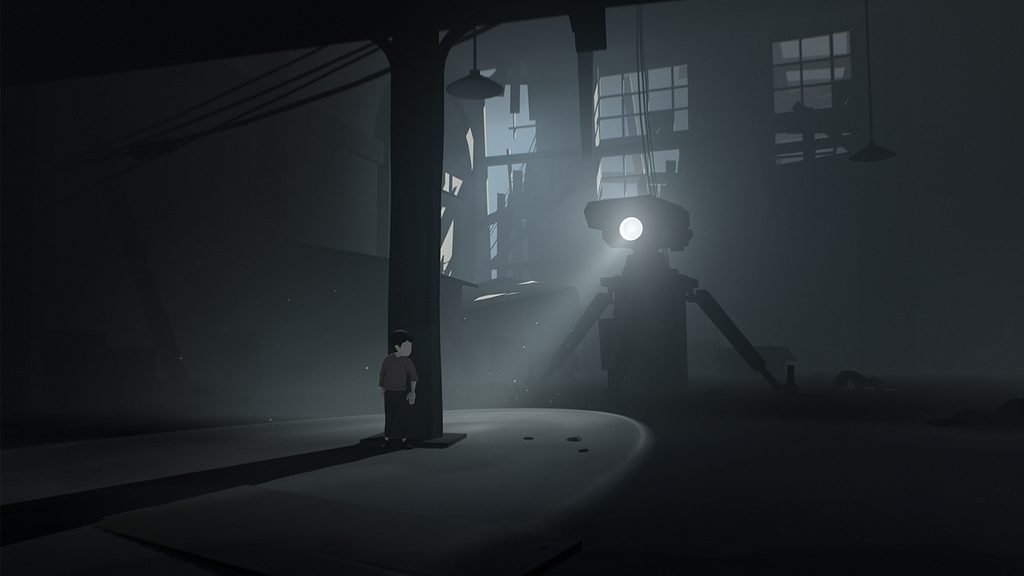
Developed and published by Playdead in 2016, Inside runs roughly three and a half to four hours without a single spoken word, tutorial box, or interface bar cluttering the screen. You guide a nameless boy through dark forests, eerie farms, and surreal industrial facilities, piecing together a chilling dystopia entirely through environmental clues and visual storytelling.
Every twenty minutes or so, Inside introduces a fresh visual idea or mechanical wrinkle, builds it into a startling set piece, and moves on before the rhythm ever becomes predictable. Its sound design, fluid animation weight, and unsettling final act create an escalating wave of dread and wonder. By trusting its environments instead of explaining everything through dialogue, its compact structure keeps that sense of discovery sharp from start to finish.
Mouthwashing
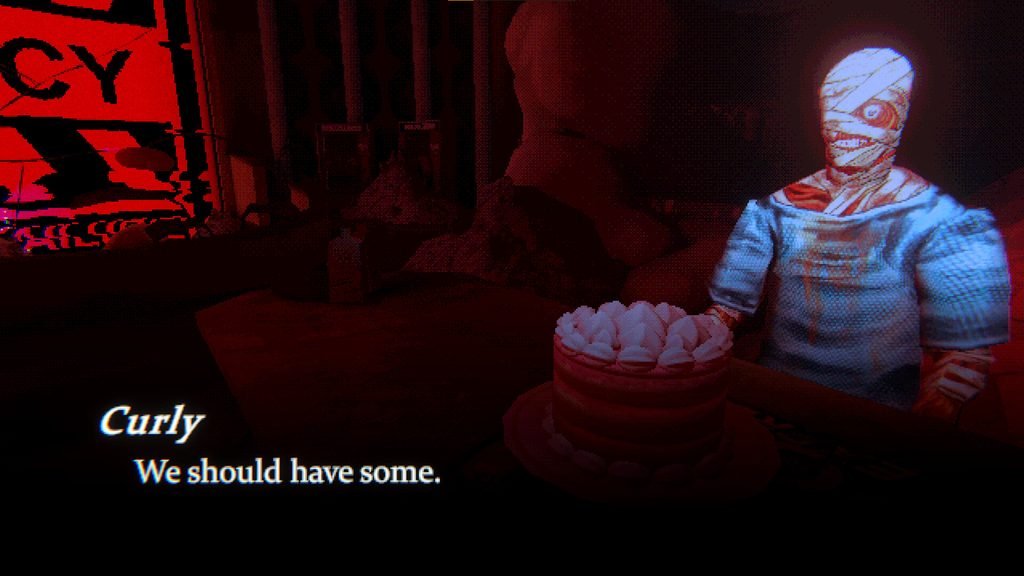
Developed by Wrong Organ and published by CRITICAL REFLEX in 2024, Mouthwashing demonstrates how devastating modern compact horror can be. Lasting around two and a half to three hours, it traps you aboard the crashed space freighter Tulpar with a five-person crew slowly running out of supplies, hope, and sanity.
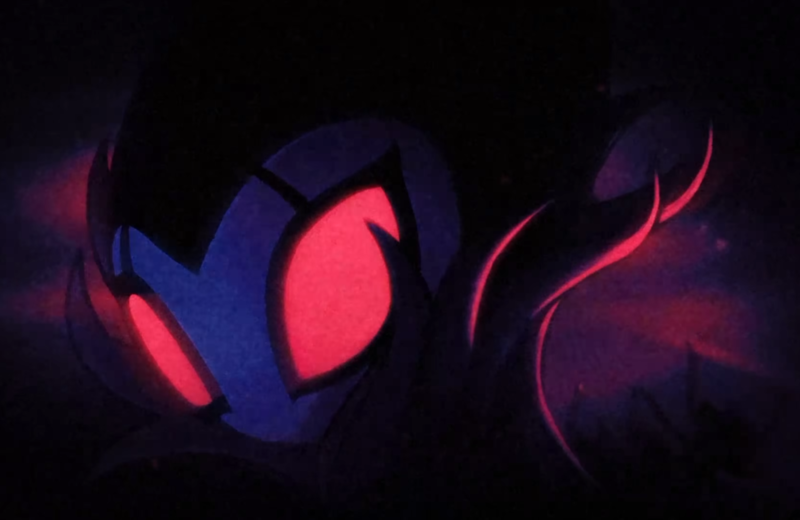
Rather than relying on endless monster chases or repetitive locked-door backtracking, Mouthwashing uses fractured timelines, striking PlayStation-era low-poly visuals, and suffocating psychological dread to examine guilt, corporate indifference, and human selfishness. Its narrative structure deliberately destabilizes your understanding of events, while its confined setting turns every hallway and character interaction into something deeply uncomfortable. By keeping its scope tight and deliberate, Mouthwashing makes every scene feel consequential.
Journey
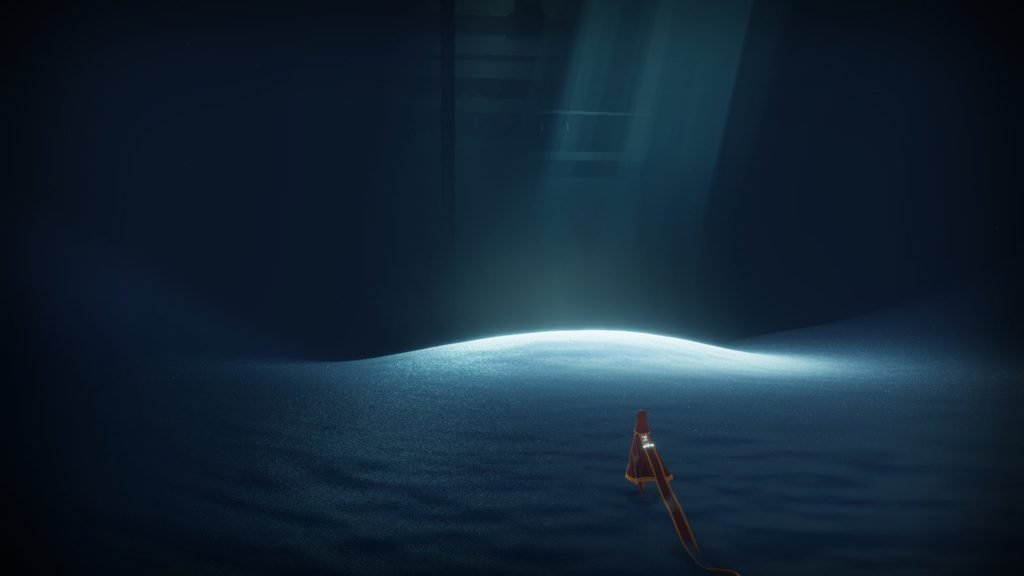
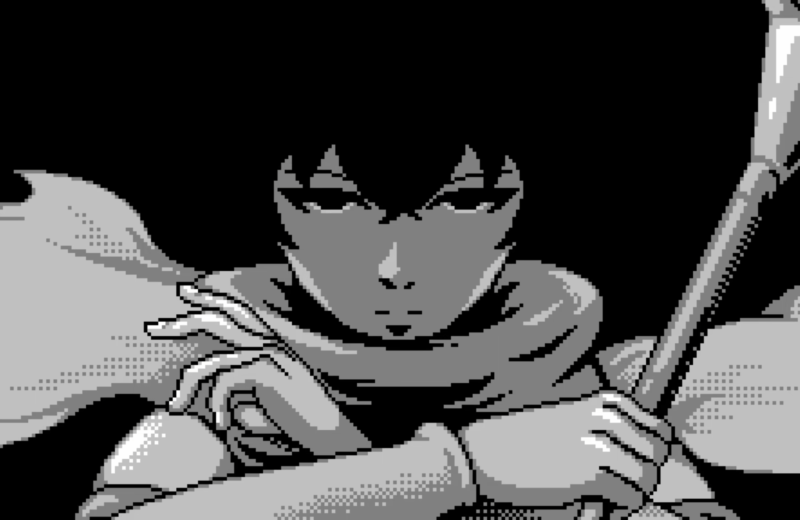
Created by thatgamecompany, Journey lasts roughly two hours from its opening desert dunes to its final ascent. Wearing a flowing scarf across a vast, ruined landscape, you travel toward a distant glowing mountain while occasionally encountering another anonymous player who can communicate only through simple musical chimes.
The brilliance of Journey lies in its cohesive emotional arc. Starting in bright golden warmth, descending into shadowed danger, struggling through blinding snow, and rising toward an unforgettable musical crescendo creates an experience that moves like a symphony. Its anonymous multiplayer encounters elevate that feeling further, letting you help a stranger or share a quiet moment of companionship without ever knowing who sits on the other side of the screen. Expanding it with unrelated side activities would only dilute the purity that makes it so special.
The Psychology of Memory and Actually Finishing Games
There is a well-established concept in behavioral psychology called the peak-end rule. Research suggests that people remember experiences disproportionately through their most emotionally intense moments and how they conclude, rather than averaging every minute equally.
Duration still matters, of course, yet this principle helps explain why compact games punch so far above their weight. In a 100-hour open world, emotional peaks can be genuinely wonderful, yet they are often separated by long stretches of inventory management, repetitive skirmishes, and slow traversal.
There is also a practical hurdle: actually reaching the ending. Many players know the pattern well. You start a massive adventure, spend dozens of hours exploring, and genuinely enjoy yourself. Then life gets busy, another release arrives, or you simply need a break. Three weeks later, you return, struggle to remember the controls and half the plot, and quietly abandon the save file. When you never reach the credits, you miss the artistic payoff the entire story was building toward.
A focused three-hour indie game offers a healthier commitment. You experience its strongest ideas close together and reach the conclusion while every theme and character detail is still fresh in your mind. Finishing a brilliant short game on a Friday night restores a feeling that often gets buried beneath huge backlogs and endless progression systems: the simple satisfaction of experiencing a complete story.
Why Short Games Take the Biggest Creative Risks
Budget size heavily shapes creative bravery. When a major studio invests hundreds of millions of dollars into a massive open world, the financial consequences of failure are enormous. That pressure naturally favors familiar structures, established combat loops, and proven commercial templates. Large studios still produce genuinely original work, yet the financial stakes around massive budgets make weird, untested premises far harder to greenlight.
Compact indie games operate under different constraints. A focused two-to-five-hour scope allows a small team to build an entire game around one daring mechanic or narrative idea without having to stretch it across dozens of hours:
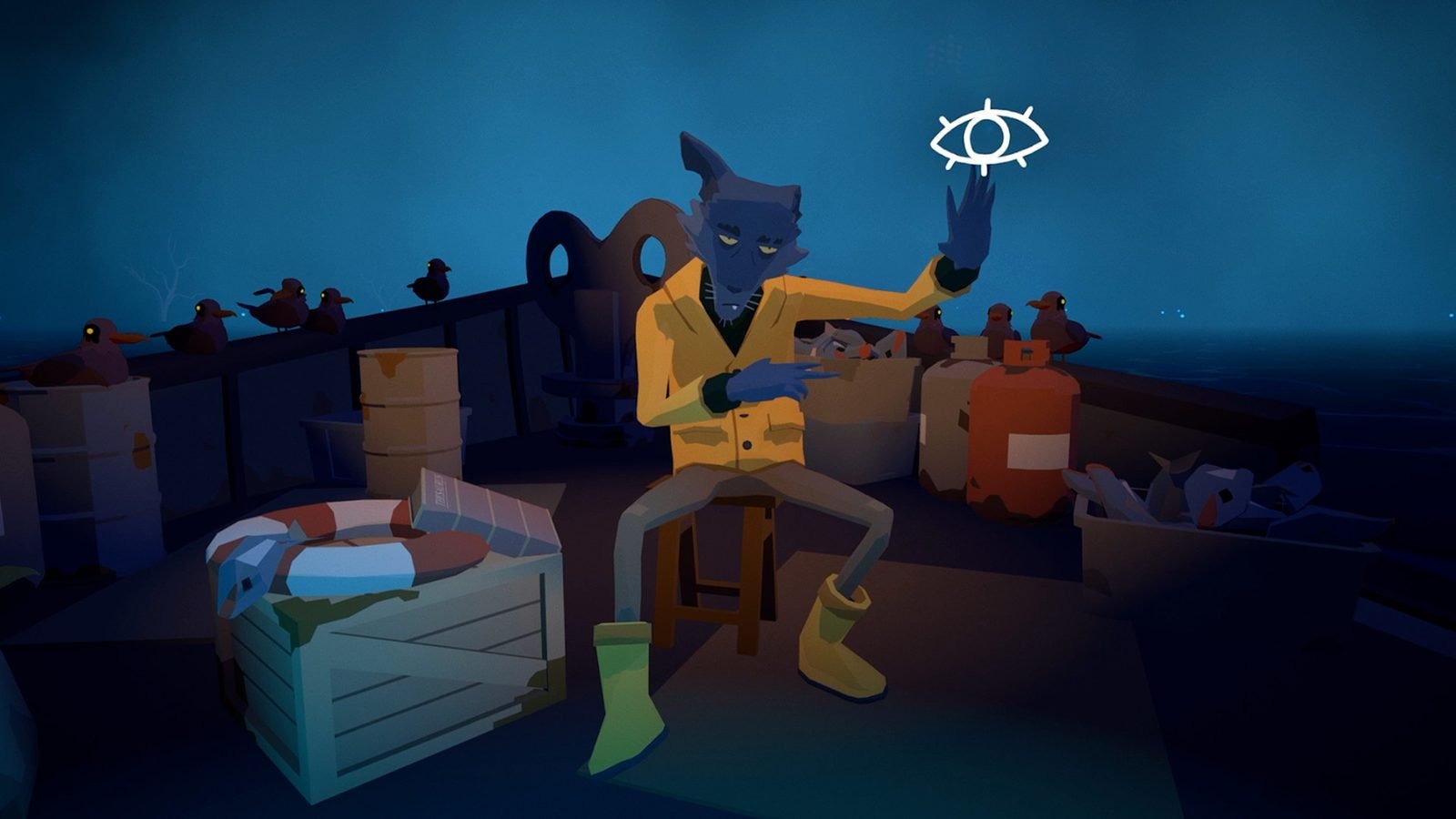
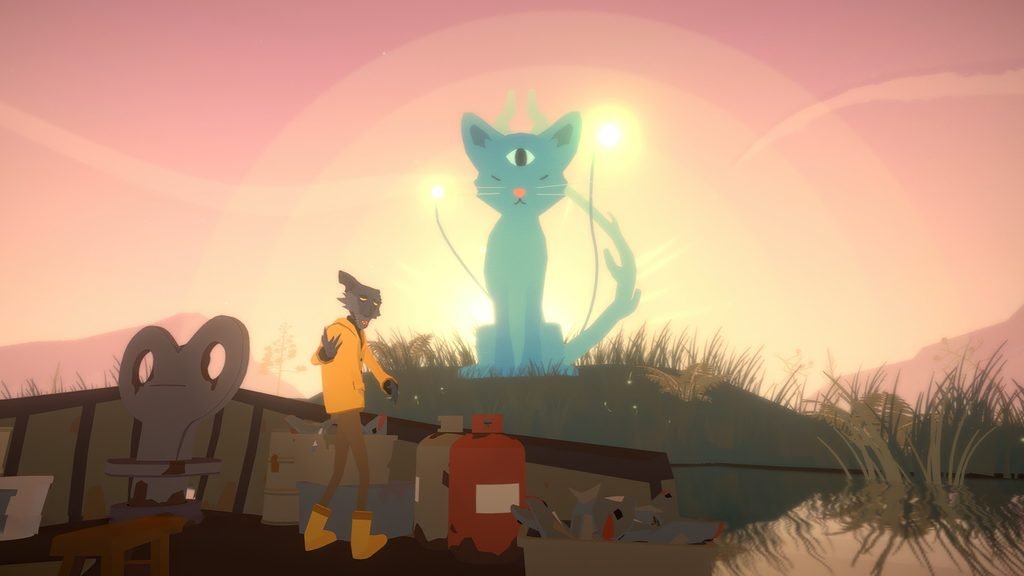
Before Your Eyes, developed by GoodbyeWorld Games and published by Skybound Games in 2021, uses your webcam to track your real-world blinks, jumping forward through a character’s life and memories every time your eyelids close. Because time moves on the exact instant you blink, an involuntary physical reflex turns into a poignant fight to hold onto fleeting moments before they slip away forever. Trying to keep your eyes open just a few seconds longer during a tender family scene creates an emotional connection no button prompt could replicate. That mechanic would quickly grow exhausting across a 40-hour campaign, yet inside a ninety-minute runtime it becomes one of the most heartbreaking uses of interactivity in gaming.
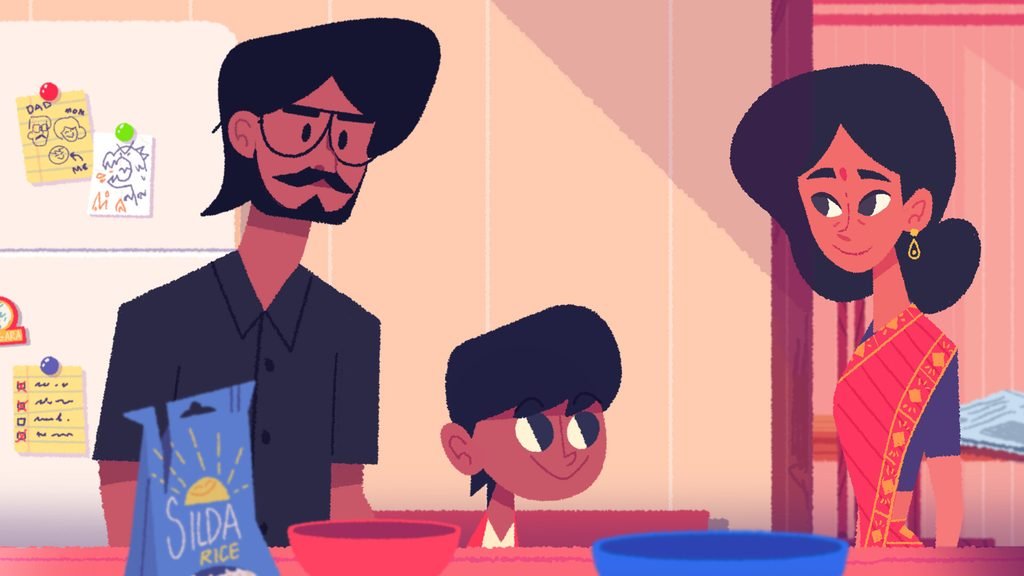
Venba, developed by Visai Games in 2023, tells an intimate story about an Indian immigrant family in 1980s Canada through restoring damaged recipes and cooking South Indian dishes. Rather than treating cooking as a throwaway minigame between combat encounters, Venba makes the kitchen its entire emotional language. Deciphering smudged, fading pages of a family cookbook while preparing idlis, dosas, and biryani mirrors the quiet struggle of holding onto heritage, language, and generational bonds in a new country. Paired with warm illustrations and expressive Tamil music, its roughly two-hour runtime delivers a deeply personal family portrait without a single wasted scene.
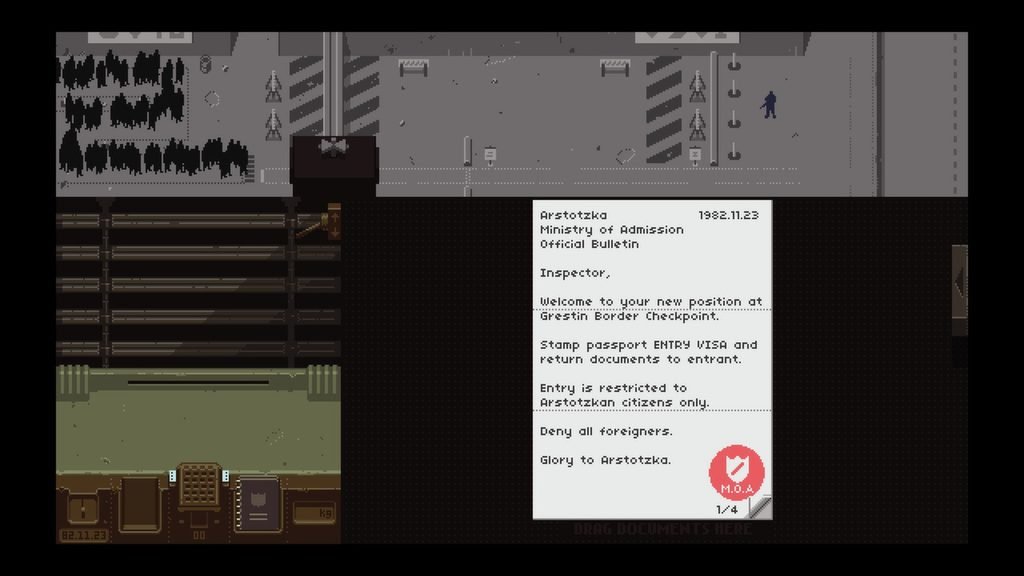
Papers, Please, created by Lucas Pope in 2013, transforms the mundane routine of inspecting passports at a fictional authoritarian border into hours of escalating moral pressure. Seated inside a cramped booth in Arstotzka, you cross-reference dates, seals, weights, and entry permits under a ticking clock, knowing that every mistake cuts into the tiny paycheck keeping your own family fed and heated. When a desperate traveler hands over forged papers and begs for mercy, the game forces you to weigh human empathy against survival with zero hand-holding. Across a tight five-hour arc, it proves that bureaucratic paperwork can feel tenser than a blockbuster shootout when mechanics and narrative serve the exact same idea.
None of these concepts needs a giant open-world map or an endless loot grind. Their brevity is not a limitation to apologize for; it is the exact creative choice that allows these games to exist.
Rethinking What Makes a Game Worth Your Money
Once you let go of the dollars-per-hour mindset, buying games becomes a much healthier and more rewarding habit. Think about what people happily spend on a night out at the movies or dinner with friends. Paying $10 to $20 for a handcrafted three-hour indie game that moves you, surprises you, and stays in your memory for years represents genuine value.
That does not mean every short game deserves its asking price. A two-hour experience still has to earn its cost through craft, originality, and execution, just as a 100-hour game can offer extraordinary value when its world and mechanics stay engaging throughout. Playtime alone simply cannot tell you whether a purchase is worthwhile.
Evaluating value through quality of experience rather than raw duration also protects your wallet during major storefront events. As we discussed in How to Know If a Steam Sale Is Actually a Good Deal Before You Click Buy, grabbing an 80-hour open-world game at 75% off is hardly a bargain if it sits untouched in your backlog, whereas paying full price for a compact indie gem you finish and love over the weekend delivers real, lasting value. And if you want to uncover more of these tightly crafted projects before everyone else starts talking about them, our guide How to Find Genuine Hidden Indie Gems on Steam Without Relying on the Algorithm lays out practical ways to spot them early.
What Is Our Opinion
At Spawnzone, we have nothing against massive open-world games when they genuinely earn their scale. A monumental RPG or sandbox adventure crafted with care offers a sense of freedom, immersion, and discovery that shorter games cannot always replicate.
The problem is not that long games exist. The problem is an industry mindset that equates length with greatness and treats brevity as a flaw. A 100-hour adventure can be a masterpiece, and a three-hour indie game can be a masterpiece. Neither deserves praise or dismissal simply because of its runtime.
As we explored in Why Indie Games Often Feel More Alive Than AAA Titles and Why AI Cannot Replace Game Design, the real magic of video games comes from creative intention, emotional honesty, and thoughtful design. Technology lets studios build bigger worlds and deeper systems, yet scale alone never guarantees a meaningful experience. Sometimes the most impressive achievement is not creating a world that takes a hundred hours to explore, but crafting one so carefully that players still remember it years after spending a single evening inside it.
Some of the greatest stories ever told are short stories. Gaming is no different.
How to Make Room for Short Indie Games in Your Routine
If your Steam library is buried under massive unfinished adventures, folding compact indie games into your routine is one of the easiest ways to rediscover the joy of finishing games:
- Use short indies as palate cleansers: Whenever you finish a demanding 60-hour RPG, follow it with a two- or three-hour indie title before diving into another massive world.
- Host a single-sitting Friday night session: Pick a tightly paced game like Inside, Mouthwashing, or No, I’m Not a Human, silence your notifications, and experience it uninterrupted like a great film.
- Check runtimes intentionally: Use community databases like HowLongToBeat alongside Steam tags to find memorable games in the two-to-six-hour range when your weekly schedule is tight.
- Judge by impact, not hour counts: Stop apologizing to your wallet when a $15 game lasts three unforgettable hours. Great art is measured by what it gives you, not how long it keeps you busy.
- Leave a short, honest review: Smaller indie games depend heavily on genuine word of mouth. If a compact experience surprises you, sharing what made it special helps other players discover it.
The next time a colossal open world promises you a hundred hours of checklists, ask yourself whether you want another enormous commitment or an experience you will still remember five years from now. Sometimes the smallest games leave the deepest mark.
No comments yet
Be the first to share your opinion on this article.