It feels like you cannot scroll through gaming news for five minutes these days without seeing another bold claim about artificial intelligence. Some tech executives predict that in just a few years anyone will be able to type a short sentence into a prompt box and instantly generate a complete video game.
On paper, that might sound like magic. Yet anyone who genuinely loves playing games knows that creating a collection of assets, lines of code, and dialogue is not the same as designing a memorable experience. A game is much more than the sum of its individual parts. It needs direction, purpose, pacing, and an understanding of what makes players care about what happens on screen.
As AI-generated content becomes increasingly accessible, an interesting question emerges: will human creativity become less important, or will it become the very thing that separates unforgettable games from an endless stream of automated content?
Looking closely at how great games actually come together makes the answer pretty clear. AI can certainly become a useful tool in game development, yet the creative thinking behind a truly great game is something technology cannot simply replace.
Game Design Is About Taste, Pacing, and Empathy
At its core, great game design involves making thousands of deliberate decisions that work together to create a satisfying experience. It is about knowing when a platformer jump should feel snappy rather than floaty, when a difficult boss fight needs to challenge the player, and when a quiet moment can communicate more than an entire page of dialogue.
These decisions require more than the ability to generate content. They require creative judgment.
An AI model can analyze existing games, identify common design patterns, and suggest mechanics based on what has worked before. It can even help developers experiment with different ideas much faster. However, generating something that resembles a successful design is not the same as understanding why that design works or whether it belongs in a particular game.
Think about the emotional impact of finally defeating a tough boss in Hollow Knight or Cuphead after ten failed attempts. A human developer can deliberately tune an attack pattern to feel intimidating at first, yet fair enough that players feel a genuine rush of pride when everything finally clicks. That kind of balance comes from lived experience, empathy, and knowing what frustration and triumph actually feel like with a controller in your hands. Without that human intuition guiding the pacing and tone, a game easily turns into a hollow collection of shiny parts with nothing meaningful holding them together.
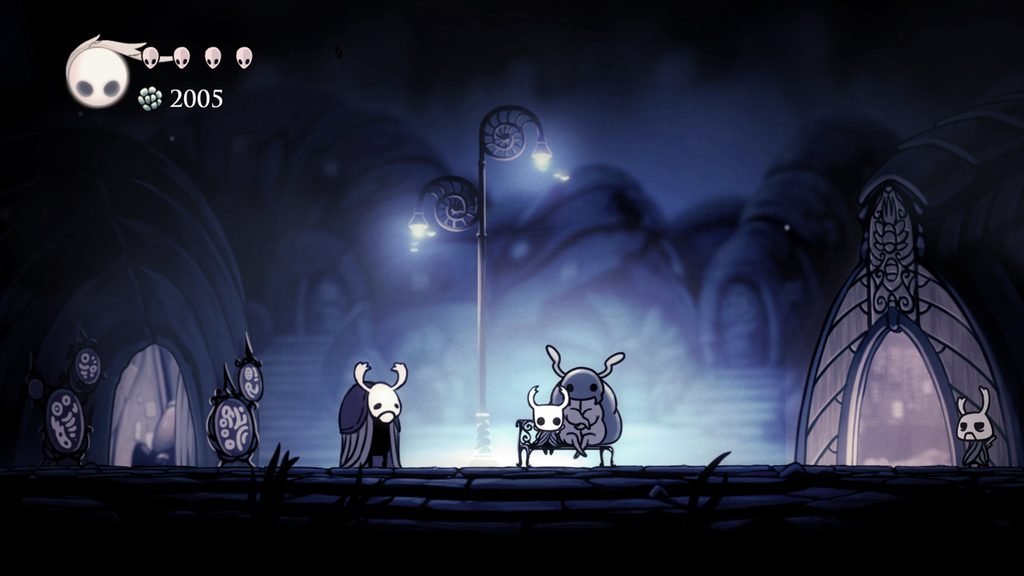
Image Source: Steam
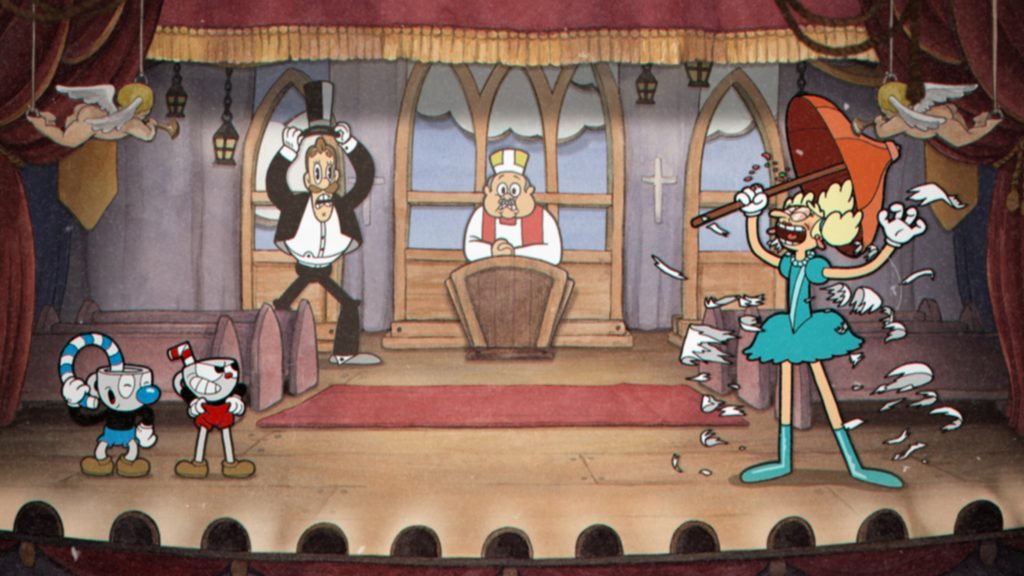
Image Source: Steam
When AI Works as a Tool and Why Full Honesty Matters
The conversation around AI in game development does not have to be completely black and white. In theory, there is a clear line between using technology to support human creativity and trying to replace the creators altogether. For small indie teams working with tight budgets, using AI responsibly for minor groundwork could free them up to focus on the heart of their project, provided they are completely honest about it.
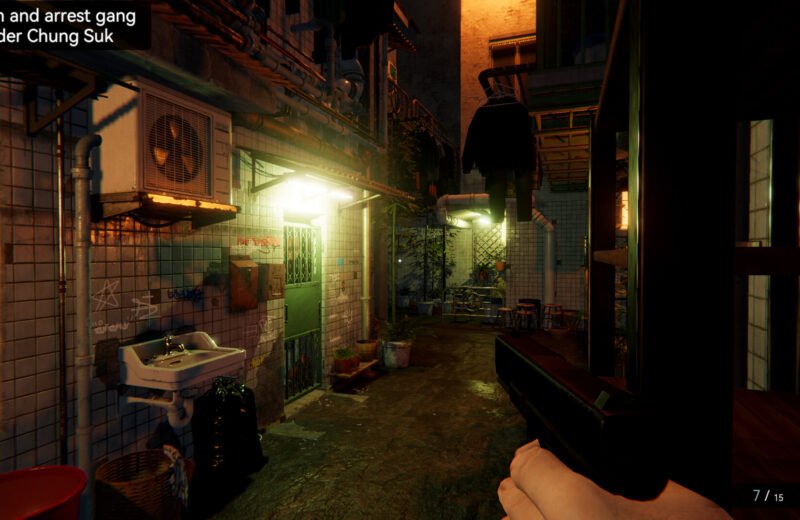
In practice, however, transparency is where many studios stumble. Take the story driven hitchhiking simulator Hitch Happens, which we covered here on Spawnzone. On paper, the developers presented a balanced approach: they claimed their character designs and writing were created manually, while AI was only used to speed up background art and early sketches that artists later refined.
Yet the reaction from players and artists tells a more complicated story. Many in the community suspect the team is holding back the full extent of their AI usage, and anyone with a trained eye in art or game design can quickly spot telltale AI artifacts across more parts of the visuals than the studio admits. Holding back details like that never ends well. When developers try to downplay how much AI they actually used, it breaks trust with players far worse than simply being upfront from day one.
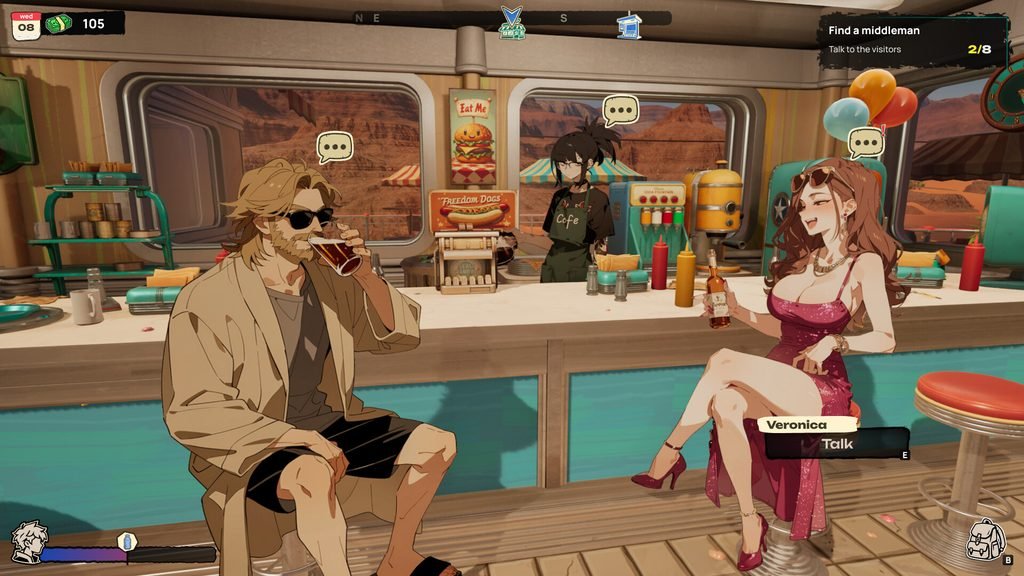
Image Source: Steam
On the bright side! Even with those valid concerns in mind, credit still goes where credit is due. Looking at the actual gameplay and premise, Hitch Happens genuinely looks like a lot of fun if you enjoy bold, adult oriented humor and weird roadside encounters. It is a great example of why honesty matters so much, because a solid, entertaining concept should never have its reputation clouded by avoidable doubts around how it was made.
The Problem With Fully AI-Generated Games and Cloning
AI is already becoming an undeniable part of modern creative workflows, and it is completely normal that some players enjoy experimenting with AI driven media. Because there is an audience for it, this technology is clearly here to stay as part of the future of entertainment. However, AI should remain a practical tool that makes daily work easier, not a shortcut to generate an entire game and then claim the result as original human artistry.
Things cross the line when people try to cut human creators out of the process completely. Fully AI generated games are already showing up across digital storefronts, and they almost always share the same lifeless energy. The art styles clash, the dialogue wanders without clear intent, and the gameplay loops feel recycled from whatever happened to be trending a few months ago.
Even more damaging is the growing trend of using AI to shamelessly copy the hard work of passionate indie studios. Scraping an original hit and churning out a cheap knockoff over a weekend hurts both creators and players. We have already broken down why this practice is so destructive in our article Why Using AI to Clone Games Needs to Stop Right Now, and the issue only reinforces how important it is to protect genuine originality.
We want to be completely clear about where we stand on this. We do not support fully AI generated games or content theft in any form. We will always back affected indie creators in whatever way we can, and we will never hesitate to call out and criticize any project that relies on AI while hiding its usage from players.
Why Handcrafted Games Are Becoming More Valuable
History gives us a pretty clear clue about what happens when mass production floods a creative space. Streaming made millions of songs instantly accessible, yet vinyl records experienced a massive revival. Cheap, factory-made furniture is everywhere, yet people still treasure a wooden table crafted carefully by hand.
Gaming is heading down the exact same path. As it becomes easier for anyone to spin up dozens of generic projects in a single afternoon, the sheer volume of automated content will actually make human craftsmanship shine even brighter. When you play games like Celeste or Stardew Valley, knowing that real people thoughtfully placed every hidden secret, composed every track, and wrote every joke with purpose adds genuine emotional weight to the time you spend playing.
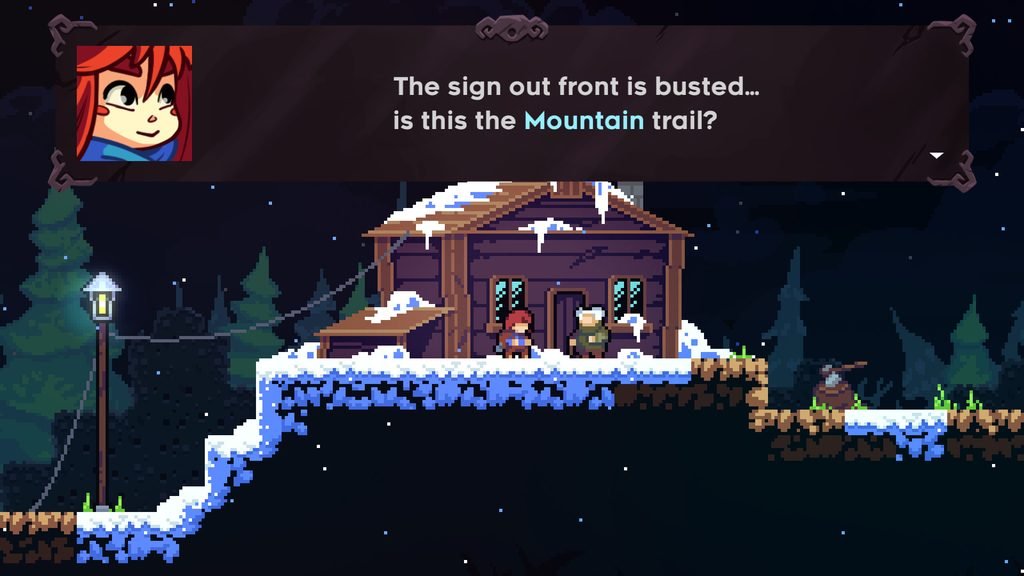
Image Source: Steam
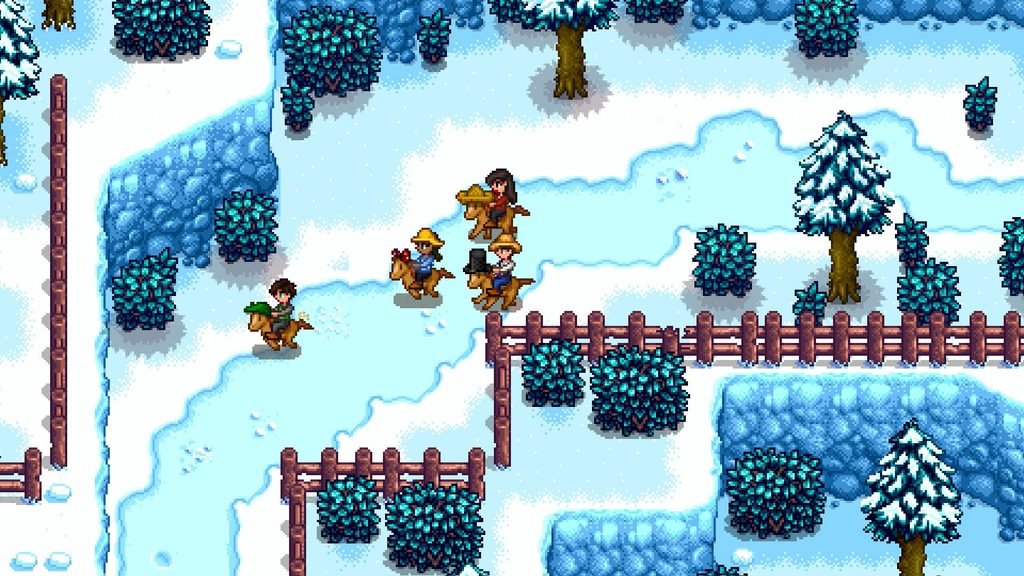
Image Source: Steam
In the coming years, seeing that a game was handcrafted by humans will not just be a neat behind-the-scenes detail. It will become a badge of quality, personality, and trust that players actively look for and celebrate.
What Is Our Opinion
At Spawnzone, we are always open to smart tools that help small studios bring ambitious ideas to life, especially when teams stay honest with their community. At the same time, we stand firmly against fully AI-generated games, and we have zero patience for using AI to steal or clone the creative work of real studios.
Speaking for everyone here at Spawnzone, we truly believe video games are one of the best forms of human connection out there. Playing a memorable indie title feels like having a conversation with the people who built it. You can sense their taste, their quirky humor, and their passion in every corner of the world they designed. No algorithm can replicate that spark, and we will always champion handcrafted games made by real people.
How do you feel about AI in gaming right now? Does knowing a game was thoughtfully crafted by a small human team make you more excited to play it?
[…] image is not the same as designing an entire game around it, a distinction we explored closely in Why AI Cannot Replace Game Design. Turning separate pieces into a cohesive, enjoyable product takes real skill, especially since […]
[…] algorithms still fail to replicate true empathy and creative intent, read our deeper breakdown on Why AI Cannot Replace Game Design. You can also check out our stance on the dark side of rapid automation in Why Using AI to Clone […]