
Steam has a discovery problem. Not because there are no good games being released, quite the opposite. More independent developers are experimenting with unusual mechanics, telling personal stories, and building imaginative worlds than ever before. The real problem is that finding their work has quietly become one of the hardest parts of PC gaming.
Opening Steam today feels very different from opening it ten years ago. The storefront has evolved into an enormous library of interactive entertainment, with thousands of new titles competing for attention every year. According to SteamDB release tracking, more than 18,000 games launched on Steam in 2024, followed by over 21,000 in 2025. By November 25, 2026, SteamDB had already recorded more than 28,000 releases for the current year. Finding something genuinely memorable inside that flood can feel like searching for a needle in a haystack.
A game can spend years in development, carry striking art direction, clever mechanics, and thoughtful writing, and still vanish within days of launch. Meanwhile, players are constantly shown familiar franchises, popular upcoming releases, and games that already have enough momentum to generate even more visibility. Steam is not deliberately hiding small creators; its recommendation systems simply lean heavily on popularity and existing player habits to predict what you might buy next.
At Spawnzone, we believe some of the best gaming experiences live outside that default recommendation loop. You do not need to rely on massive streamers, viral social media clips, or the same New and Trending tab every evening. This guide gives you a complete, repeatable system using Steam’s lesser known tools, third party databases, boutique publishers, playable demos, itch.io, and real human communities so you can uncover unforgettable indie games before everyone else starts talking about them.
Why Steam’s Default Discovery Experience Is Not Enough
Steam’s recommendation algorithm is actually quite sophisticated. It draws on massive amounts of playtime data to predict what you might enjoy next. The catch is that personalized recommendations and genuine discovery are two different things.
When a storefront recommends games based on your past play history, it naturally builds a comfortable feedback loop. Play a lot of action RPGs and you will mostly see more action RPGs. Sink hundreds of hours into survival games and your homepage will reflect that habit. That works fine when you want more of the same, yet it rarely nudges you toward a strange narrative puzzle game, an unconventional turn based tactics experiment, or a quiet indie title that refuses to fit cleanly inside a single genre box.
Popularity Is Not the Same as Quality
One of the easiest traps in PC gaming is treating visibility as proof of quality. Appearing in New and Trending does not automatically make a game brilliant, and having fifty reviews instead of five thousand does not mean a game lacks ambition or craft. In a storefront receiving tens of thousands of uploads every year, visibility is mostly a measurement of marketing reach, launch timing, and how easily a game translates into short viral clips.
When a game has a quiet art style, a demanding puzzle structure, or a story that takes several hours to reveal its real teeth, Steam’s default front page rarely knows what to do with it. That disconnect creates two very real patterns across the indie landscape: extraordinary games that nearly vanish at launch before word of mouth rescues them, and uncompromising creative experiments that never look like mainstream hits on paper yet deliver unforgettable experiences once players actually sit down with them.
Slow Burning Masterpieces That Outgrew Quiet Launches
Some of the most celebrated indie games of recent years did not arrive with massive prelaunch hype or dominant front page placement. They survived because the small group of players who took a chance on them refused to stop talking about them.
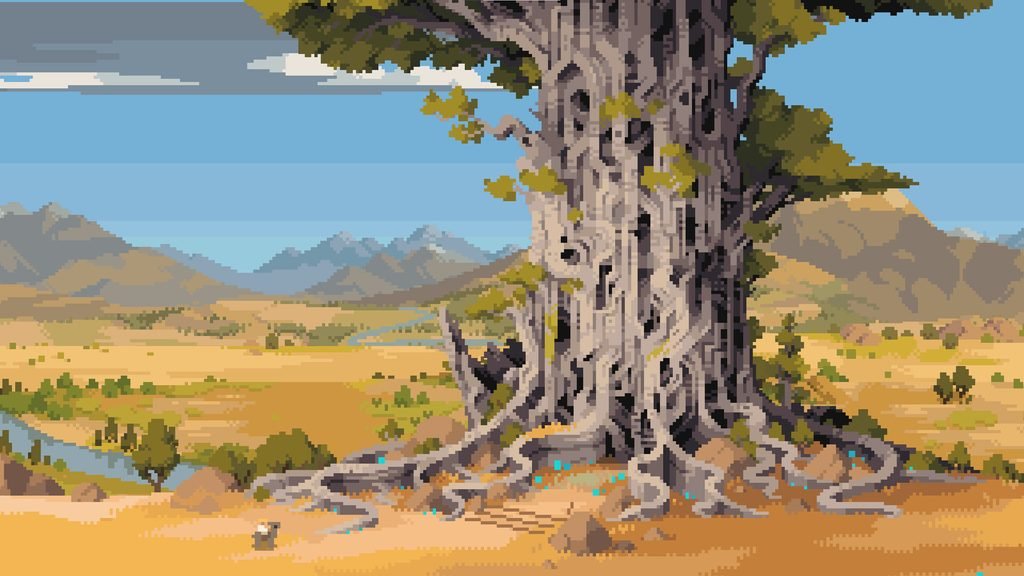
Consider Arco, developed by Franek, Max Cahill, Bibiki, and Fáyer and published by Panic. Released on August 15, 2024, Arco blends turn based planning with simultaneous real time combat inside a striking Mesoamerican fantasy world built in minimalist pixel art. Despite glowing reviews from players and critics alike, its developers openly talked about how rough launch sales were, even questioning whether personal passion projects were still commercially viable. The quality was never in doubt; getting noticed during a crowded release week was the real battle. Through persistent word of mouth, the game steadily found its audience, and in August 2026 the team confirmed it had surpassed 100,000 copies sold and recouped its development costs.
A similar trajectory unfolded with 1000xRESIST, developed by sunset visitor and published by Fellow Traveller in May 2024. Merging science fiction storytelling, theatrical camera staging, and psychological drama into something unlike almost anything else on Steam, it did not explode overnight. Instead, its reputation grew organically over months as players shared how deeply its writing stayed with them, eventually carrying the game to a Peabody Award and nominations for major literary and science fiction honors.

Void Stranger, created by the two person Finnish team System Erasure (Eero Lahtinen and Antti Ukkola) and released on September 1, 2023, pushes this pattern even further. On a store page, it looks like a modest, monochrome sokoban puzzle game inspired by handheld classics. Casual browsers scrolling past thumbnails can easily dismiss it in two seconds. Underneath that humble exterior, however, lies a sprawling, fourth wall breaking labyrinth packed with hidden mechanics, meta secrets, and a deeply emotional narrative that earned cult status purely through passionate community discovery.

Genre Defying Designs That Reward Curious Players
Visibility algorithms also struggle with games that refuse to fit cleanly inside safe commercial templates. When a studio commits fully to an unconventional visual identity, a compact runtime, or an eccentric premise, the payoff is often far more memorable than anything designed by committee.
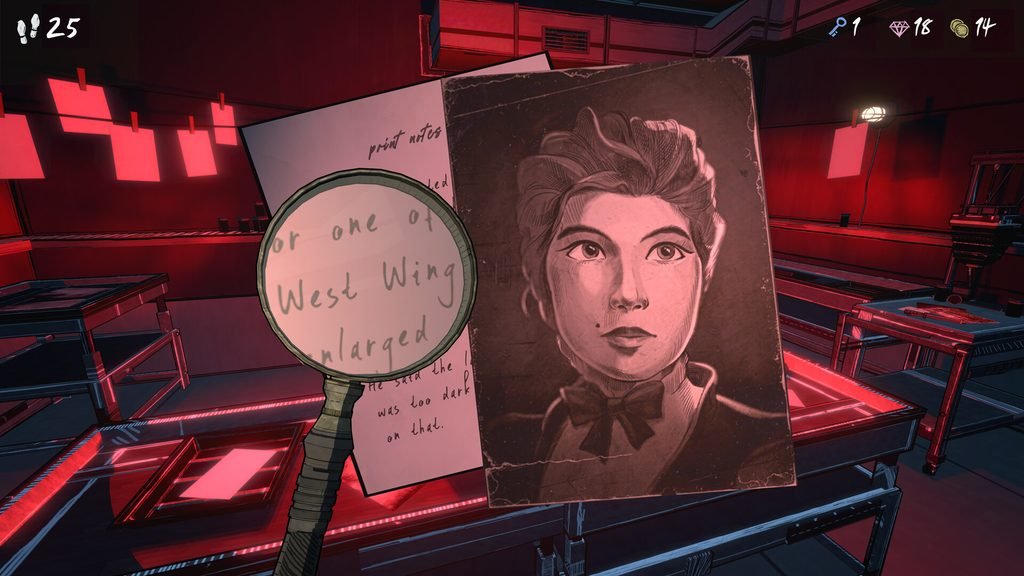
Look at Lorelei and the Laser Eyes, developed by Simogo and published by Annapurna Interactive on May 16, 2024. Presented in stark black, white, and red inside a surreal European manor, it asks players to keep real physical notes while untangling a maze of interlocking puzzles, film history references, and psychological mysteries. It makes zero compromises for players looking for passive entertainment, yet its uncompromising direction earned it a nomination for Independent Game of the Year at The Game Awards 2024 and a 93% Very Positive rating on Steam.

Crow Country, developed and self published by SFB Games on May 9, 2024, proves that modest scope and focused craft can easily outshine bloated budgets. Set inside an abandoned theme park in 1990 with chunky, low poly PlayStation era visuals, it delivers a tight, atmospheric survival horror campaign that respects the player’s time. Without a massive publisher behind it, Crow Country climbed to a 97% Overwhelmingly Positive score across more than 6,000 English Steam reviews and surpassed 100,000 copies sold within months purely on the strength of its environmental storytelling and clever puzzle design.

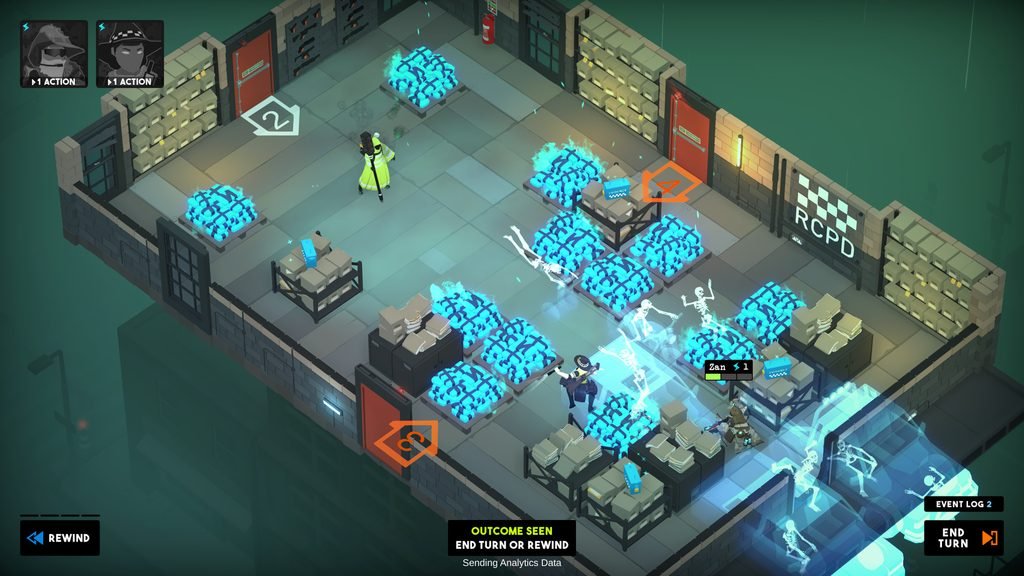
Even games with sharp comedy and accessible mechanics can look strangely niche until you actually play them. Tactical Breach Wizards, developed and published by Suspicious Developments on August 22, 2024, pitches turn based puzzle tactics starring renegade wizards wearing Kevlar who breach rooms and throw enemies out of windows. That premise could easily have been dismissed as a novelty joke, yet its razor sharp level design, forgiving rewind mechanics, and witty writing carried it to a 97% Overwhelmingly Positive rating across more than 10,600 Steam reviews and the Excellence in Design award at the Independent Games Festival.
Not every overlooked game is a secret masterpiece, of course, and plenty of popular games earn their success honestly. Still, titles like Arco, 1000xRESIST, Void Stranger, Lorelei and the Laser Eyes, Crow Country, and Tactical Breach Wizards prove that initial visibility tells you very little about how special a game actually is. If you only browse what is already trending, you are always arriving after someone else did the hard work of finding it.
1. Master Steam’s Built In Discovery Tools
Before visiting external databases, it pays to look closely at two underrated discovery tools Valve already built into Steam.
The Steam Interactive Recommender
Originally launched as Steam Labs Experiment 002, the Interactive Recommender uses machine learning to analyze playtime histories across millions of Steam accounts. Rather than relying directly on messy user applied tags or review scores, it looks at what people with similar gaming habits actually spend hours playing.
To pull genuine hidden gems out of it, use this five step setup:
- Move the Popularity slider toward Niche: Pulling the slider away from Popular encourages the system to surface titles with far less mainstream coverage. Test a few positions along the bar instead of jumping straight to the far edge.
- Slide the Release Date back several years: Looking three, five, or even eight years into the past helps uncover standout games that launched during busy seasons and slipped off the radar.
- Exclude outlier games from your play history: If you played a multiplayer game purely because your friends dragged you in, exclude it so it stops skewing your solo recommendations.
- Combine specific mechanical tags: Skip broad labels like Indie and pair tighter combinations such as Narrative and Puzzle, Turn Based Tactics and Fantasy, Psychological Horror and Exploration, Immersive Sim and Stealth, or Roguelike and Deckbuilding, while excluding genres you never play.
- Save promising finds to your Wishlist: Treat the Recommender as a scouting tool rather than a shopping cart. Check back once a month with tweaked sliders to keep the results fresh.
Steam Labs Micro Trailers
Micro Trailers strips away bloated marketing videos and gives you six second looping gameplay clips organized by Steam tags. It is ideal for genres where game feel, animation, camera flow, and combat pacing matter far more than static screenshots. Pick a favorite tag, switch between the scrolling and quad video layouts, and scan dozens of games in five minutes. A six second loop cannot tell you whether the writing or progression holds up over ten hours, yet it immediately tells you which store pages deserve a closer look.
Combine Steam Tags Around Mechanics
Steam tags can be messy because anyone can apply them, yet stacking specific mechanical tags cuts through the clutter fast. Instead of browsing a huge umbrella tag like Roguelike, combine it with Turn Based or Deckbuilding, or explore gameplay focused tags like Choices Matter, Resource Management, Time Manipulation, Physics, Investigation, Base Building, Nonlinear, Atmospheric, and Experimental.
2. Use SteamDB to Filter Out the Noise
If Steam’s native tools help you browse, SteamDB lets you search with surgical precision. Its Instant Search tracks release dates, review percentages, review counts, prices, developers, publishers, and tags across the entire storefront, allowing you to layer multiple filters at once.
The SteamDB Hidden Gem Search
Start with a baseline configuration designed to filter out both untested uploads and huge mainstream hits:
| Filter | Recommended Setting |
|---|---|
| Type | Game |
| Minimum Rating | 90% (or 80% to 85% for experimental and niche genres) |
| Minimum Reviews | 50 |
| Maximum Reviews | 1,500 |
| Release Year | Test multiple individual years |
| Tags | One or two specific genres or mechanics |
| Sorting | Rating or Release Date |
Review percentages and review counts work best together. A 100% positive rating from five buyers does not tell you as much as a 94% rating from 800 buyers. Try rotating between a few different review brackets, such as 50 to 500 reviews at 90% positive, or 20 to 200 reviews at 80% positive, to inspect different layers of the catalog.
Use SteamDB’s AI Content Disclosed Filter Carefully
SteamDB automatically scans store pages for Valve’s required generative AI disclosure and applies a dedicated AI Content Disclosed tag. If you want to filter those releases out of a specific search, you can exclude that tag right inside Instant Search.
Keep in mind what this tag actually measures. It is not an automatic quality meter, nor does it catch developers who fail to disclose their tools honestly. A game with disclosed AI assets can still have thoughtful design, while a game without a disclosure can still be poorly made. Use the filter according to your personal preferences, and always inspect questionable store pages carefully using the warning signs we broke down in How to Spot a Cheap AI Asset Flip on Steam Before Spending Your Money.
Beyond filtering, click into a game’s SteamDB page to inspect its price history, update frequency, and review timeline. Plenty of great indie games launched with mixed reviews due to early technical rough edges, only to transform into classics after dedicated post launch patches.
3. Discover Curated Hidden Gems Through Steam250
If tweaking database filters sounds like homework, Steam250 offers a clean shortcut. Its Hidden Gems leaderboard highlights highly praised Steam games that have not yet reached mainstream review volumes, giving you a curated alternative to Steam’s front page.
Get the most out of it by browsing inside specific genre categories rather than judging every game on the main list together, since a visual novel, a traditional roguelike, and a first person horror title serve very different tastes. Pay extra attention to entries with smaller review counts and revisit the page every month or two to watch quiet word of mouth favorites climb the rankings.
4. Follow Boutique Indie Publishers as Human Filters
In a store receiving tens of thousands of uploads a year, selective indie publishers act as valuable human curators. Strong boutique publishers play hundreds of prototypes, back distinctive small teams, and build recognizable creative identities. No publisher bats a thousand, yet clicking a publisher’s name at the top of a Steam page you loved and hitting Follow quickly builds a curated feed far sharper than any automated carousel.
| Publisher | What They Are Worth Exploring For | Games to Start With |
|---|---|---|
| Fellow Traveller | Narrative adventures, bold science fiction, and character driven stories | 1000xRESIST, Citizen Sleeper, Citizen Sleeper 2: Starward Vector |
| CRITICAL REFLEX | Experimental horror, surreal concepts, and sharp indie hooks | Mouthwashing, Buckshot Roulette |
| Raw Fury | Atmospheric adventures, distinctive worlds, and genre hybrids | Blue Prince, Kingdom: New Lands |
| Kitfox Games | Deep simulations, systemic gameplay, and unconventional RPGs | Caves of Qud, Boyfriend Dungeon |
| Panic | Striking visual identities and creatively ambitious indie projects | Arco, Firewatch |
| Playstack | Clever deductive mysteries and tightly designed puzzle concepts | The Case of the Golden Idol, The Rise of the Golden Idol |
| Devolver Digital | Subversive concepts, dark humor, and bold mechanical twists | Inscryption, Cult of the Lamb |
| New Blood Interactive | Retro inspired action games and classic shooter design | DUSK, ULTRAKILL |
| Annapurna Interactive | Narrative experimentation, atmospheric worlds, and artistic direction | Outer Wilds, What Remains of Edith Finch |
| Finji | Personal stories, expressive art, and distinctive indie design | Chicory: A Colorful Tale, Night in the Woods |
Imagine finishing Mouthwashing and loving its unsettling psychological tension. Instead of wading through generic horror tags, checking CRITICAL REFLEX‘s publisher hub immediately points you toward other offbeat projects curated with the same sensibility. Follow five to ten publishers whose catalogs resonate with you, including smaller labels whose upcoming lineups rarely make mainstream headlines.

5. Treat Steam Next Fest and Free Demos as Your Personal Scout
Trailers can mislead, and store copy can exaggerate, but fifteen minutes in a playable demo tells you the truth right away.
Three times a year, typically in February, June, and October, Steam Next Fest fills the store with hundreds of free upcoming demos. The key is avoiding demo fatigue. Rather than downloading fifty random files, shortlist roughly ten demos across genres you love plus one or two wildcard picks outside your comfort zone. Give each one enough time to show its core identity: does the movement feel crisp, do the mechanics spark curiosity, and do the small design details show genuine care?
Some of the strongest recent indie hits proved their brilliance through demos long before trailers could explain them:
The Case of the Golden Idol, developed by Color Gray Games and published by Playstack, is a textbook example of a game that sounds dry on paper yet feels electric in motion. Described simply as clicking through frozen scenes and dragging words into blank sentences, it could easily look like an austere museum piece in screenshots. The moment players stepped into its demo, however, the hook clicked immediately. Examining pocket contents, overhearing snippets of dialogue, tracking subtle expressions across eighteenth-century crime scenes, and assembling a timeline of murder purely through logic created an unforgettable detective rush that no promotional trailer could ever capture.

Chants of Sennaar, developed by Rundisc and published by Focus Entertainment, faced an even tougher pitch. Its entire structure revolves around climbing a towering, Babel-inspired labyrinth where every floor speaks a completely different fictional language, forcing you to decipher glyphs through context, architecture, and body language. Screenshots showcase its striking comic book art style, yet they cannot convey the thrill of realizing you just translated a warning sign or bridged a conversation between two rival peoples without a single hand-holding tutorial. Its Steam Next Fest demo let players experience that exact breakthrough firsthand, turning an unusual linguistic concept into a massive word-of-mouth success.

Blue Prince, developed by Dogubomb and published by Raw Fury, proved the same point for genre hybrids. Blending first-person mystery exploration with architectural drafting, it puts you inside a shifting manor where every closed door asks you to choose which room gets built on the other side, all while the floor plan resets at the end of every day. Explaining that loop in a store description can make it sound abstract or overly complicated. Inside its playable demo, drafting your first few rooms, managing dwindling footsteps, and spotting a hidden clue inside a room you chose to place yourself made the genius of its design unmistakable within ten minutes.
Do not wait for Next Fest weeks to do this. Steam maintains a permanent Demos hub, and SteamDB lets you filter specifically for games with playable demos. Downloading three unfamiliar demos on a weekend afternoon and wishlisting the winners is one of the best habits any PC gamer can build.
6. Follow the Creative Pipeline From itch.io and Game Jams to Steam
While Steam is where indie games often reach a global audience, itch.io is where many of the wildest ideas are born. Free from heavy commercial pressure, solo creators use itch.io and time limited game jams like Ludum Dare, GMTK Game Jam, and Global Game Jam to test fearless prototypes built around a single striking concept.
Several modern Steam classics began life inside that exact grassroots pipeline:
Buckshot Roulette, created by solo developer Mike Klubnika and later brought to Steam with CRITICAL REFLEX, launched independently on itch.io in December 2023 before arriving on Steam in April 2024. Built in the Godot engine with a gritty, industrial aesthetic and pounding electronic sound design, it transforms Russian roulette into a tense tabletop mind game. By introducing tactical items like magnifying glasses, handcuffs, and beer cans to manipulate shell order and probability, it turns pure luck into nerve wracking strategy, proving that a tightly focused concept with unforgettable atmosphere can captivate millions without a blockbuster budget.

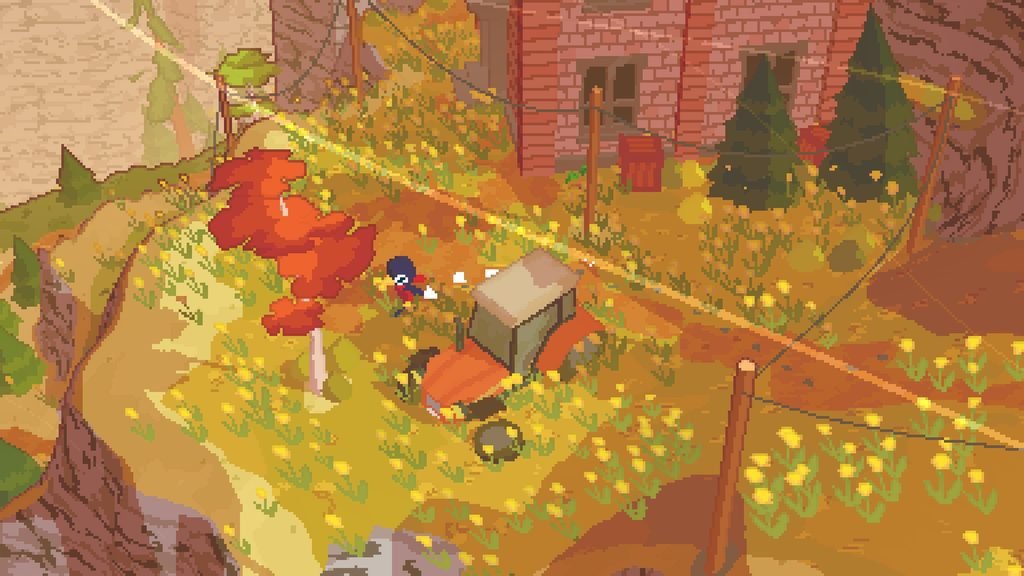
A Short Hike, created by adamgryu, arrived on itch.io and Steam in July 2019 after starting as a compact, self contained project. Placing you in the shoes of a young bird trying to reach the summit of Hawk Peak just to get cell phone reception, it strips away combat, bloated checklists, and artificial grind. Instead, it pours all its energy into joyful climbing, effortless gliding, chunky retro visuals, and warm conversations with quirky hikers along the trail, proving that a small scale, deeply personal adventure can leave a far stronger emotional mark than massive open world epics.
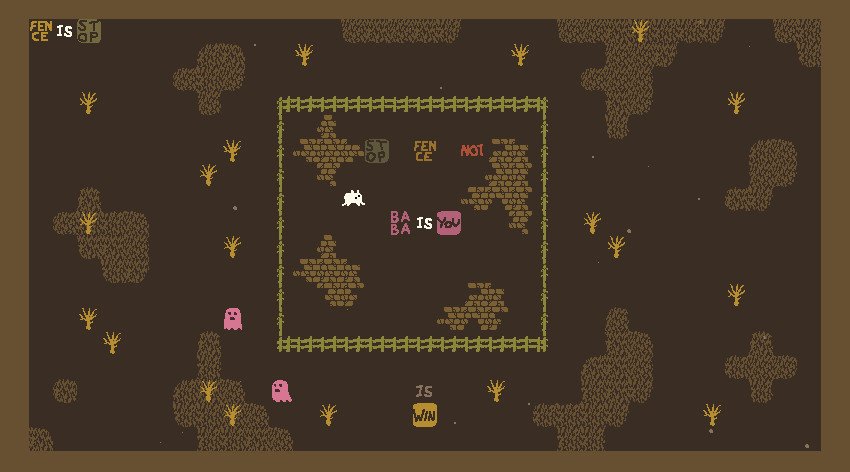
Baba Is You, developed by Hempuli, began its journey as a weekend prototype during Nordic Game Jam 2017 before expanding into a full Steam classic. Its core hook is as simple to grasp as it is mind bending in practice: the actual rules of every level, such as “WALL IS STOP” or “FLAG IS WIN”, sit directly on the map as pushable blocks. By shoving words around to rewrite reality on the fly, players constantly break their own assumptions about how video game logic works, showing how a single brilliant jam mechanic can carry dozens of hours of unforgettable puzzle design.
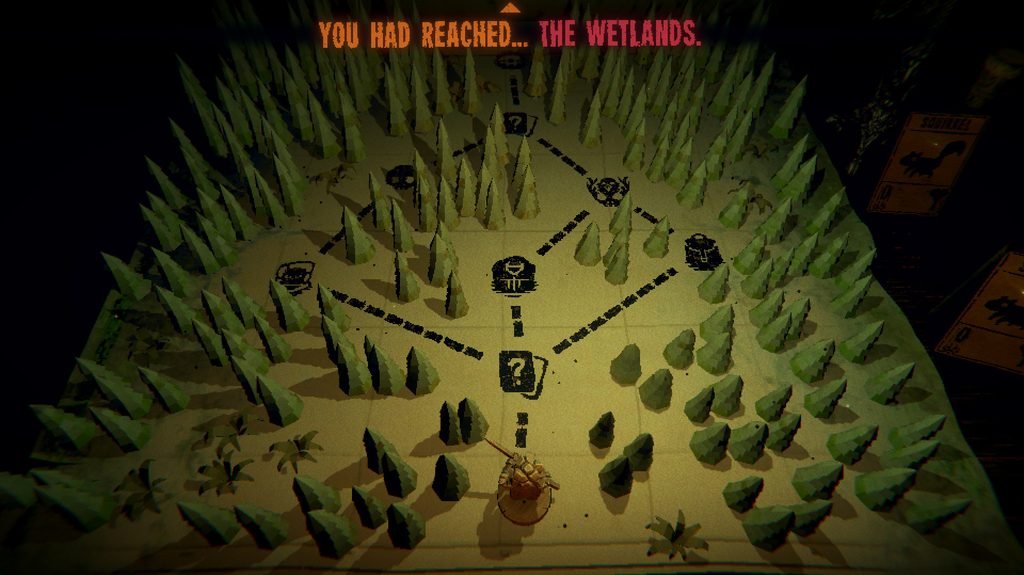
Inscryption, developed by Daniel Mullins Games and published by Devolver Digital, grew directly out of a 48 hour Ludum Dare game jam prototype called Sacrifices Must Be Made. What opens as an eerie, atmospheric card roguelike played across a wooden table inside a dark cabin gradually peels back layers of escape room puzzles, unexpected genre shifts, and meta narrative twists that continually reinvent the rules right under your feet. It remains one of the clearest examples of how fearless game jam experimentation can evolve into a genre bending masterpiece.
When a free or inexpensive prototype on itch.io grabs your imagination, follow the developer’s profile rather than just the single file. You will often spot tomorrow’s breakout Steam cult hit a full year before its store page even goes live.
7. Build a Human Network Through Curators and Gaming Communities
Algorithms analyze clicks and playtime totals. Real people understand tone, craft, and context. Building a small human discovery network saves hours of aimless scrolling.
Find Steam Curators Who Actually Explain Their Picks
Ignore joke curator accounts posting one word memes and seek out specialists in specific niches such as psychological horror, traditional roguelikes, CRPGs, experimental puzzles, or retro shooters. A worthwhile curator explains why a game stands out mechanically, who will click with it, and what rough edges buyers should expect.
Ask Specific Questions on Reddit and Follow Developers Directly
Communities such as r/IndieGaming, r/IndieGames, r/patientgamers, r/ShouldIbuythisgame, r/roguelikes, and r/truegaming consistently surface deep cuts when you ask targeted questions. Skip vague prompts like “What are the best indie games?” and try something concrete: “I loved the turn based tactical combat in Arco. What lesser known indie RPGs experiment with combat in unusual ways?”
Pair that with following indie developers directly on Bluesky, X, YouTube, Discord, and personal dev blogs. Creators regularly post raw gameplay clips and prototypes months before marketing campaigns ever begin.
8. Read Devlogs and Patch Notes to Spot Real Creative Direction
A store page shows how a developer wants to sell a game. Devlogs and patch notes reveal how the game actually thinks and grows.
When an obscure title catches your eye, check its Recent Events and Announcements tab. Strong devlogs do not need glossy formatting; what matters is concrete creative insight. Look for developers explaining why they reworked a combat timing window, redesigned a confusing level, removed an idea that hurt pacing, or adjusted accessibility options after demo feedback.
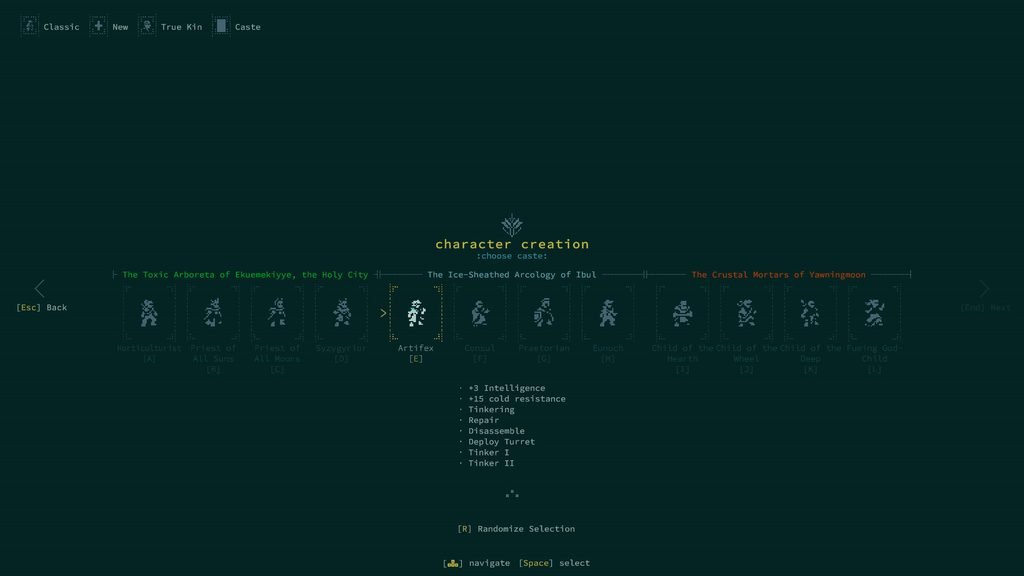
Caves of Qud, developed by Freehold Games and published by Kitfox Games, is a standout example. Its extraordinary systemic depth evolved through years of transparent iteration and detailed community updates before reaching its 1.0 launch in December 2024. That kind of steady, thoughtful craftsmanship stands in stark contrast to rushed clones and copycat projects that launch half finished and leave empty community hubs behind, a damaging trend we examined closely in Why Using AI to Clone Games Needs to Stop Right Now.
Keep in mind that quiet studios still make great games, and frequent posting never guarantees quality by itself. Treat honest devlogs as a strong green flag showing real human intent behind the project.
9. Explore Early Access With Clear Eyes
Steam Early Access lets you discover ambitious indie games years before their full launch and watch them evolve alongside a dedicated community. At the same time, buying an Early Access title means supporting a work in progress rather than purchasing a guaranteed finished product.
Before jumping into a promising Early Access project, check three fundamentals:
- A solid playable foundation: Does the core gameplay loop already feel rewarding today, even if future chapters or modes never arrive?
- Honest communication: Does the Early Access box clearly list what is implemented now, what is planned next, and what limitations currently exist?
- Meaningful update history: Compare early launch screenshots and patch notes with recent updates to confirm the team is steadily building toward its stated vision.
Independent development is unpredictable, and even sincere teams run into delays or budget hurdles. If you only want complete experiences, wishlist promising Early Access titles and wait for version 1.0. If you love being part of a small game’s journey and accept the uncertainty, Early Access remains a rich hunting ground for future classics.
10. Step Outside Your Usual Genre and Search by Mechanics
Habit is often a stronger barrier to discovery than any storefront algorithm. Many players spend years rotating through the exact same two genres while ignoring entire corners of Steam packed with brilliant design.
You do not need to abandon your favorites. Simply reserve a small slice of your discovery time each month for adjacent genres that scratch a similar itch in a completely fresh way:
| If You Usually Enjoy | Try Exploring |
|---|---|
| Action RPGs | Tactical RPGs, immersive sims, narrative adventures |
| First Person Shooters | Retro shooters, atmospheric exploration games, boomer shooters |
| Survival Horror | Psychological adventures, eerie puzzle mysteries |
| Roguelikes | Deckbuilders, strategy roguelikes, experimental arcade games |
| Strategy Games | Management simulations, puzzle tactics, colony sims |
| Platformers | Puzzle platformers, precision action games, exploration adventures |
| Narrative Games | Detective mysteries, visual novels, interactive fiction |
Even better, search by mechanics rather than genre labels. If you love solving puzzles through time loops, search for Time Manipulation. If you care deeply about branching consequences, search for Choices Matter. If you love emergent sandbox chaos, explore Physics and Systemic Simulation. Some of the most unforgettable indie games ever made refuse to sit neatly inside a single genre, and searching by how a game plays leads you straight to them.
What Is Our Opinion
At Spawnzone, we believe discovering great games has become an active craft in its own right. When more than 20,000 titles arrive on Steam every year, leaving your taste entirely in the hands of a homepage algorithm guarantees that the loudest marketing budgets and fastest trends win by default.
As we explored in Why Indie Games Often Feel More Alive Than AAA Titles and Why AI Cannot Replace Game Design, the soul of this medium lives in personal risk taking, strange creative obsessions, and human care. Games like Arco, 1000xRESIST, Caves of Qud, Blue Prince, and The Case of the Golden Idol exist because small teams poured years of real thought into ideas no automated trend tracker would ever invent.
Every time you slide the Interactive Recommender toward Niche, filter out storefront clutter on SteamDB, download an unfamiliar demo, or leave an honest review for a tiny studio whose work stayed with you, you do more than upgrade your personal backlog. You help keep independent game development alive and ensure that genuine artistry still has a home on PC.
A Quick Monthly Routine for Finding Hidden Indie Gems
You do not need hours of research every week to break free from the algorithm. Fold these quick habits into your regular browsing:
- Tune the Interactive Recommender: Once a month, pull the slider toward Niche, shift the release year back, and exclude outlier games from your play history.
- Scan Micro Trailers: Spend five minutes inside a favorite mechanical tag to judge games by raw motion and feel.
- Run a SteamDB Search: Filter for 90% positive ratings between 50 and 1,500 reviews, and exclude the AI Content Disclosed tag if you want to focus on traditional workflows.
- Browse Steam250: Check the Hidden Gems rankings by genre to catch word of mouth standouts early.
- Follow Boutique Publishers: Subscribe to five to ten selective indie publisher hubs whose creative direction matches your tastes.
- Play Three Demos: Treat Steam Next Fest and permanent demos as your primary filter instead of trusting trailers alone.
- Explore the Grassroots: Check itch.io highlights, read honest devlogs, ask targeted questions in niche communities, and try one game outside your usual genre every month.
Extraordinary games are still releasing every single week from small teams who care deeply about their craft. They rarely sit on the biggest banner at the top of the store, yet once you know where to look, Steam feels like a treasure chest again.


No comments yet
Be the first to share your opinion on this article.