Have you ever booted up a massive blockbuster video game, admired its realistic environments and cinematic lighting for twenty minutes, and then suddenly realized you were getting bored? Now compare that to launching a tiny game made by a team of two people, with simple pixel art, only to look up at the clock and realize it is three in the morning.
If that sounds familiar, you are certainly not alone. More players are discovering that a game’s impact has surprisingly little to do with its budget or graphical fidelity. While major publishers continue investing hundreds of millions of dollars into increasingly ambitious productions, smaller independent studios are finding ways to create experiences that feel personal, distinctive, and genuinely memorable.
But what exactly makes these games feel so different? It is not simply that indie developers care more about their projects or that AAA studios have lost their creative spark. The difference often comes down to creative freedom, design priorities, and the ability to build something around a strong individual vision rather than trying to satisfy millions of potential customers.
When we say that indie games feel more alive, we are not necessarily suggesting that they are technically superior or universally better designed. We are talking about personality, originality, and the feeling that someone had a specific experience in mind when they started making the game.
The Freedom to Take Weird Risks
One of the biggest differences between independent developers and major AAA publishers comes down to financial risk. Developing a large blockbuster can involve enormous budgets, sometimes exceeding hundreds of millions of dollars when you combine development and marketing expenses. With that much money on the line, publishers naturally become more cautious about the projects they approve.
A company cannot casually gamble a massive investment on an unusual gameplay concept that might appeal to only a small audience. Because of that pressure, major releases often rely on established franchises, familiar mechanics, and proven formulas. Open-world maps, extensive progression systems, recognizable combat mechanics, and carefully structured live-service features have become common ingredients in modern blockbuster releases.
There is nothing inherently wrong with familiar gameplay. Players enjoy sequels and established franchises for good reasons. However, constantly prioritizing proven ideas can make it harder for genuinely unusual concepts to receive the same level of investment.
Indie studios operate under different circumstances. Their budgets are generally smaller, and their projects can be much more focused. This does not eliminate financial pressure, but it can give developers greater freedom to experiment with ideas that would be difficult to justify in a massive production.
Consider some of the most memorable independent releases:
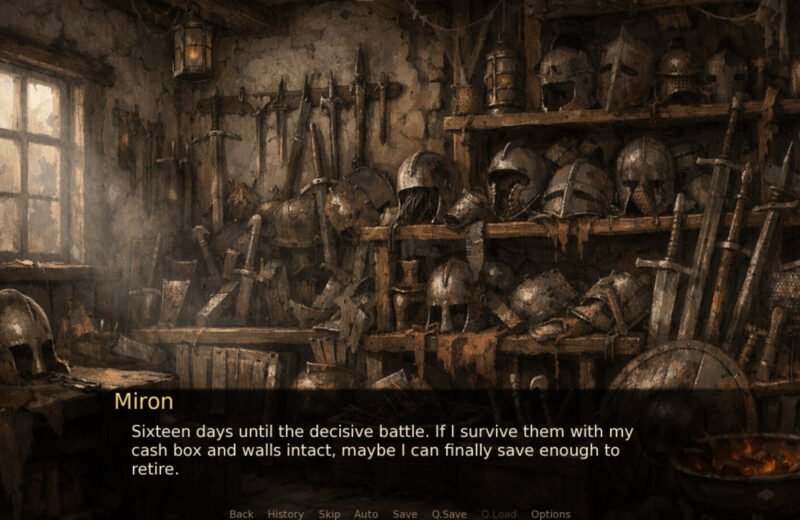
- Papers, Please transforms the seemingly ordinary job of a border inspection officer into a tense experience filled with difficult moral decisions.
- Outer Wilds builds an entire exploration adventure around a mysterious solar system and a repeating time loop, relying on curiosity and discovery rather than conventional combat.
- Balatro combines familiar poker hands with unpredictable roguelike deckbuilding mechanics, turning a relatively simple concept into an incredibly addictive experience.
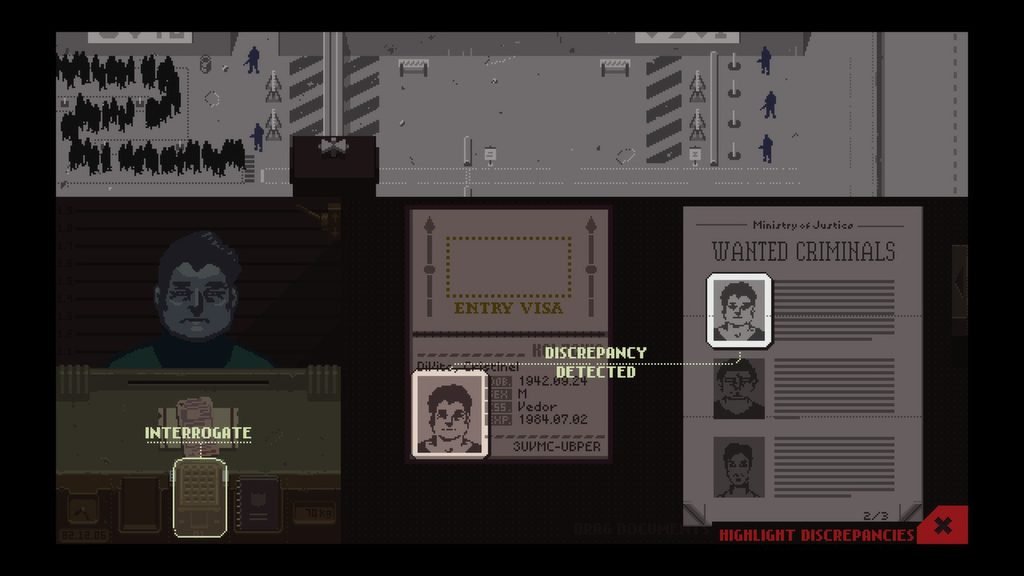
Image source: Steam
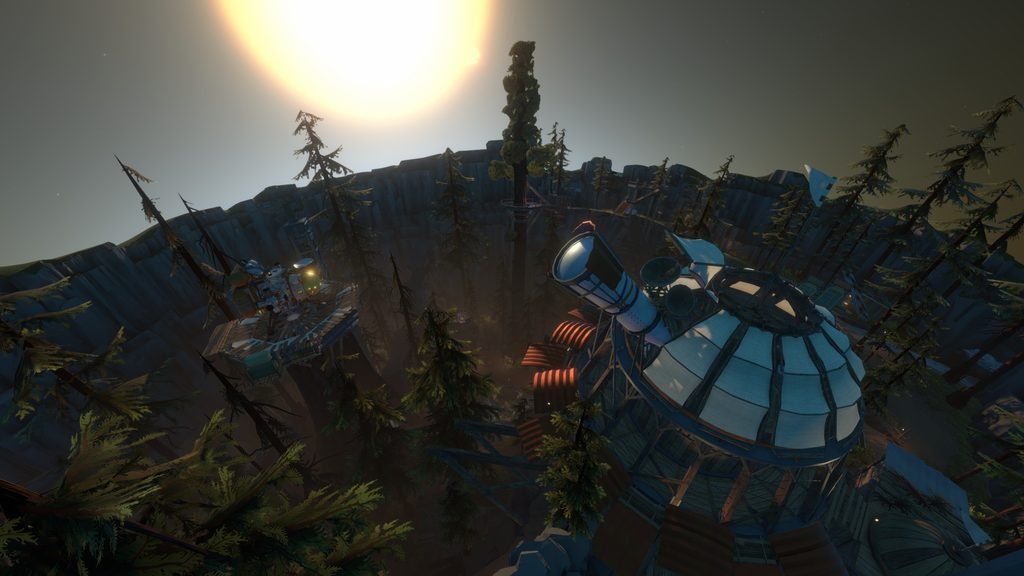
Image source: Steam
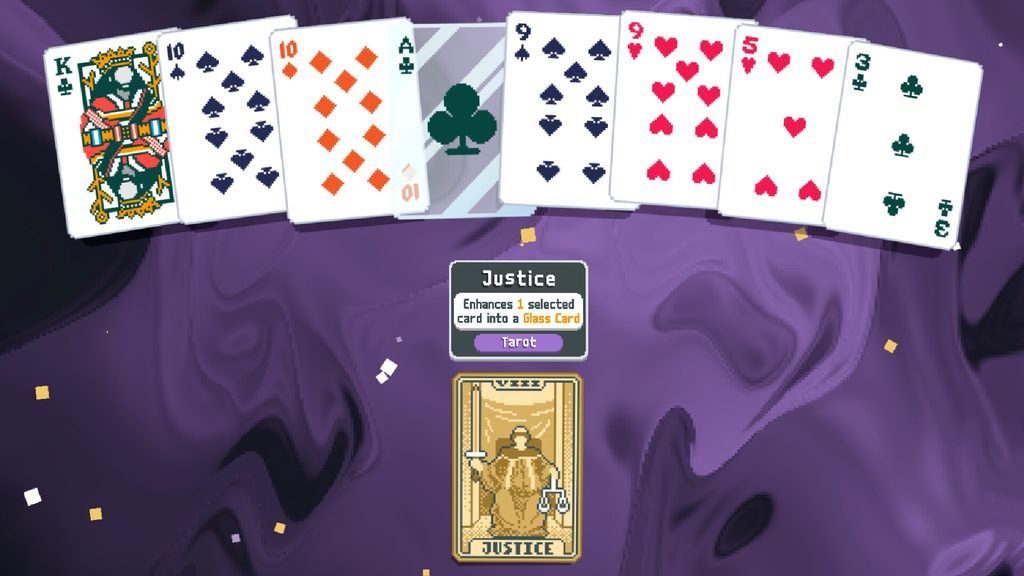
Image source: Steam
None of these games needed a massive open world, expensive cinematic sequences, or hundreds of hours of scripted content to stand out. Their strength came from having a distinctive idea and building the entire experience around it.
That is one of the greatest advantages smaller studios can have. They do not always need to compete on the same terms as major publishers. Sometimes, doing something completely different is enough.
Designing for Fun Instead of Engagement Metrics
Another important difference is how games approach the player’s time and money. Over the past decade, parts of the AAA industry have increasingly embraced live-service business models. Instead of delivering a self-contained experience with a clear beginning and ending, some major releases are designed to keep players returning for months or even years.
This approach has introduced features such as daily challenges, seasonal battle passes, recurring events, extensive progression systems, and in-game stores filled with cosmetic purchases. These features are not automatically bad. A well-supported live-service game can provide years of entertainment and build a genuinely active community.
The problem appears when engagement becomes more important than enjoyment.
When a game constantly encourages players to log in, complete repetitive activities, and keep up with limited-time rewards, playing can start to feel like another responsibility rather than an escape. Instead of asking whether a particular activity is genuinely entertaining, developers can end up focusing on how effectively it keeps players engaged.
Many indie games offer a different experience. A large number of them are built around a relatively straightforward concept: purchase the game, enjoy the experience, and reach the ending whenever you are ready. There is no need to keep up with a seasonal schedule or worry about missing an exclusive reward.
Games like Hades I and II, and A Short Hike demonstrate how powerful a focused experience can be. Each has its own approach to gameplay and progression, but none needs an endless stream of seasonal content to justify its existence.
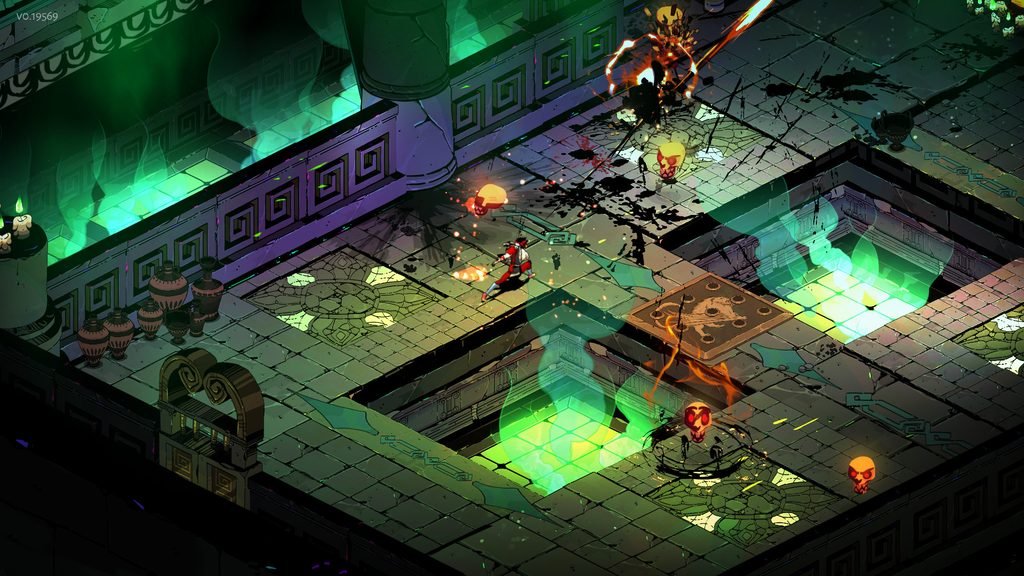
Image source: Steam
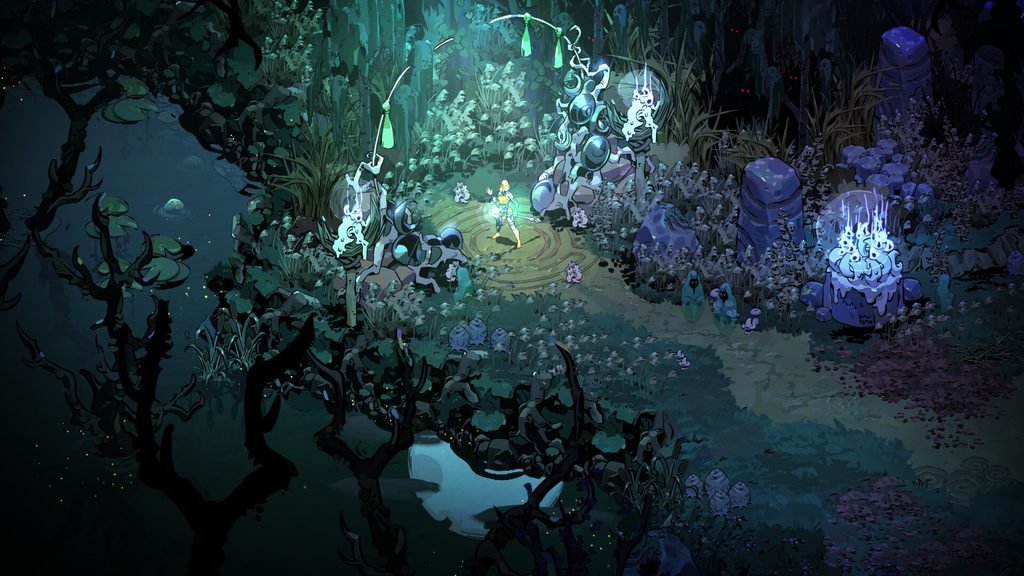
Image source: Steam
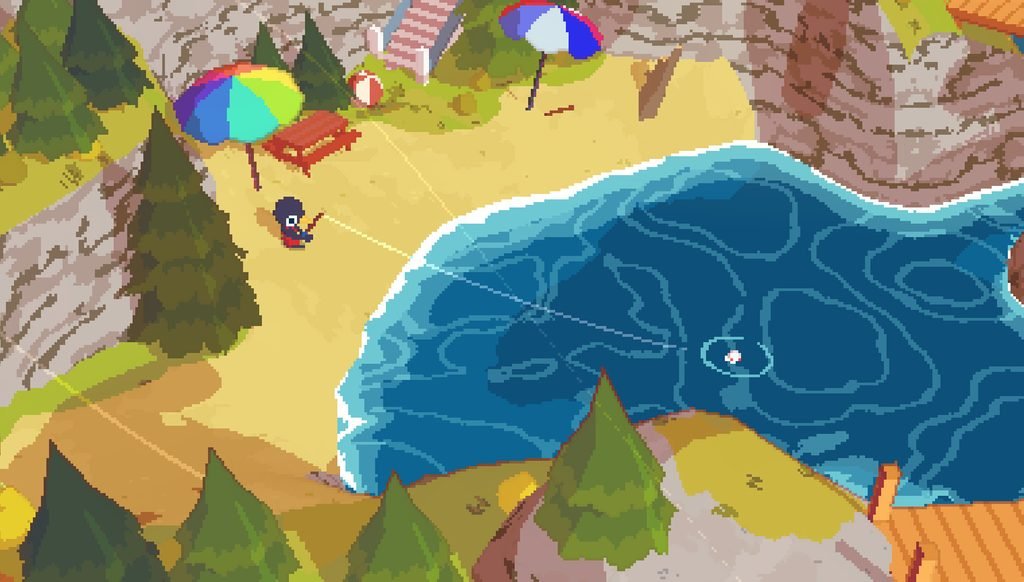
Image source: Steam
Of course, independent games are not immune to questionable monetization or repetitive design. Early Access projects can also become frustrating when development drags on without meaningful progress. Still, smaller productions often have the advantage of being able to focus on a complete and carefully designed experience without having to build an entire business model around keeping players online indefinitely.
You Can Actually Feel the Human Touch
Look at the credits of a modern blockbuster, and you might spend several minutes watching thousands of names scroll across the screen. Large productions involve enormous teams of artists, programmers, writers, designers, composers, and external development partners working across different countries.
These teams are full of talented people, many of whom are genuinely passionate about what they create. However, coordinating such a massive production often means that individual creative decisions have to fit within a much larger vision. Consistency, deadlines, production requirements, and commercial expectations can leave less room for unusual personal touches.
Indie games can offer something different. When a project is created by one developer or a small team, their personalities can become a much more visible part of the experience. Their sense of humor, artistic preferences, storytelling style, and even their personal interests can influence practically every aspect of the game.
- When Toby Fox created Undertale his distinctive approach to humor, music, character writing, and player choices helped make the game instantly recognizable. Similarly,
- Eric Barone spent years developing Stardew Valley, creating an experience shaped by his own creative vision and attention to detail.
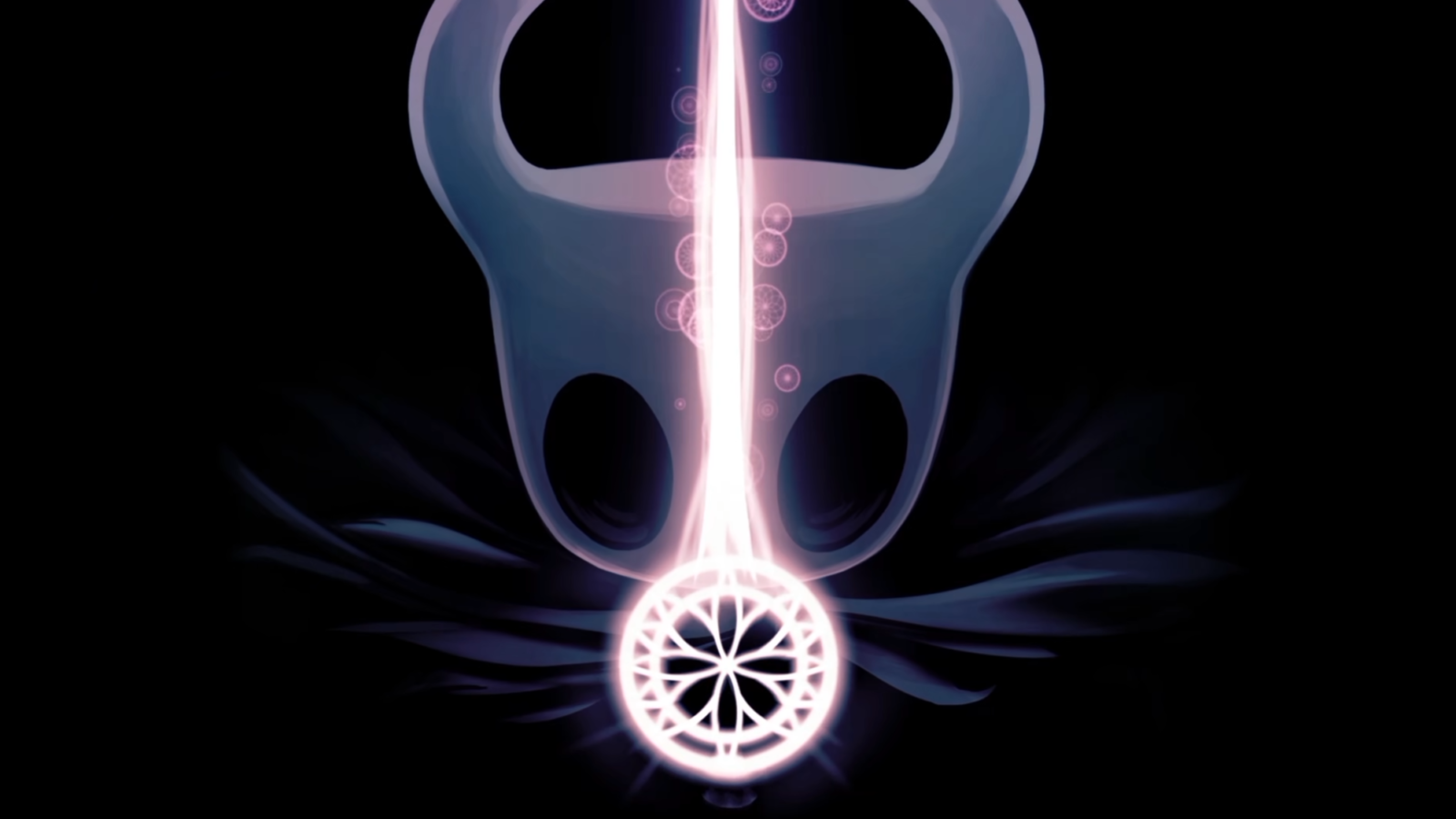
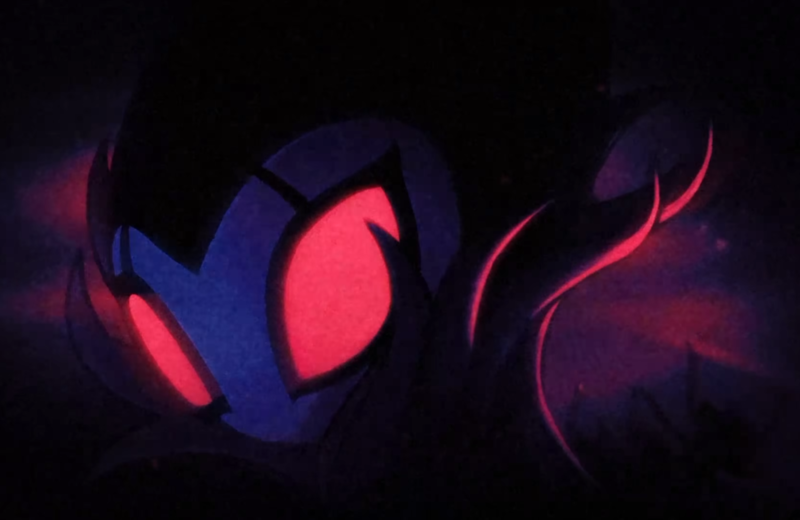
- Team Cherry’s Hollow Knight and its sequel Hollow Knight: Silksong are another great example of how a small independent studio can create a distinctive world, memorable characters, and a recognizable artistic identity that players instantly connect with.
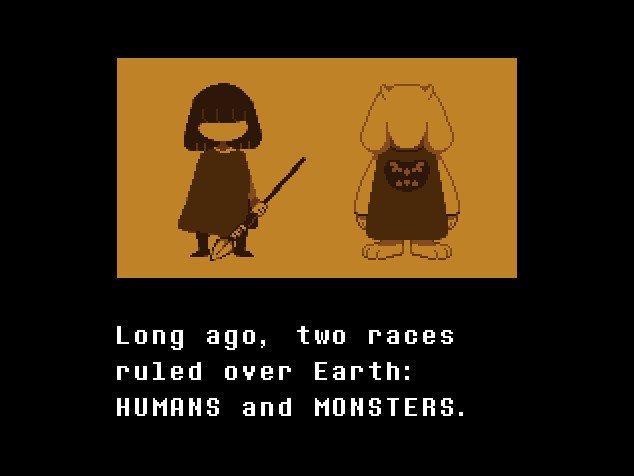
Image source: Steam
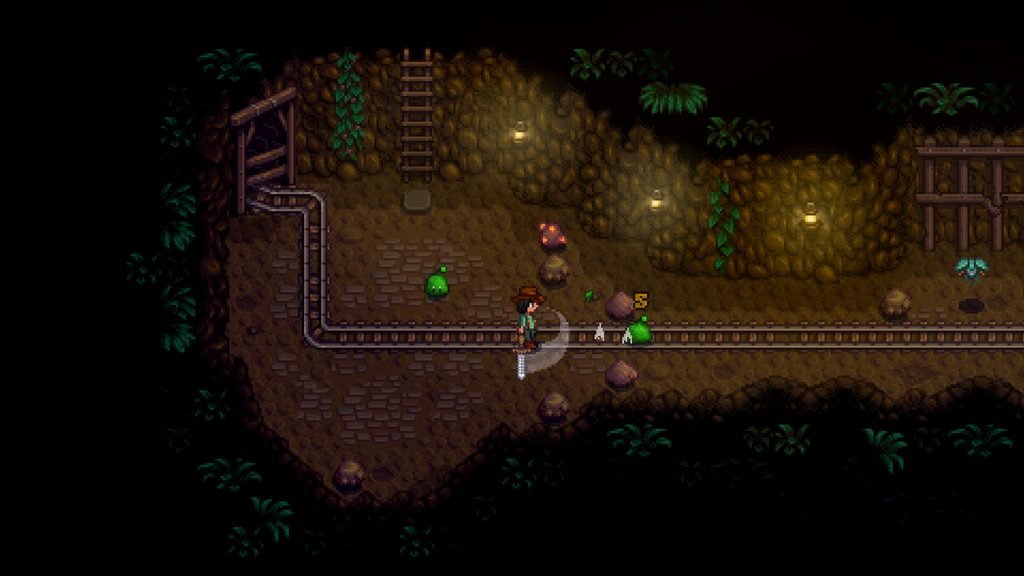
Image source: Steam
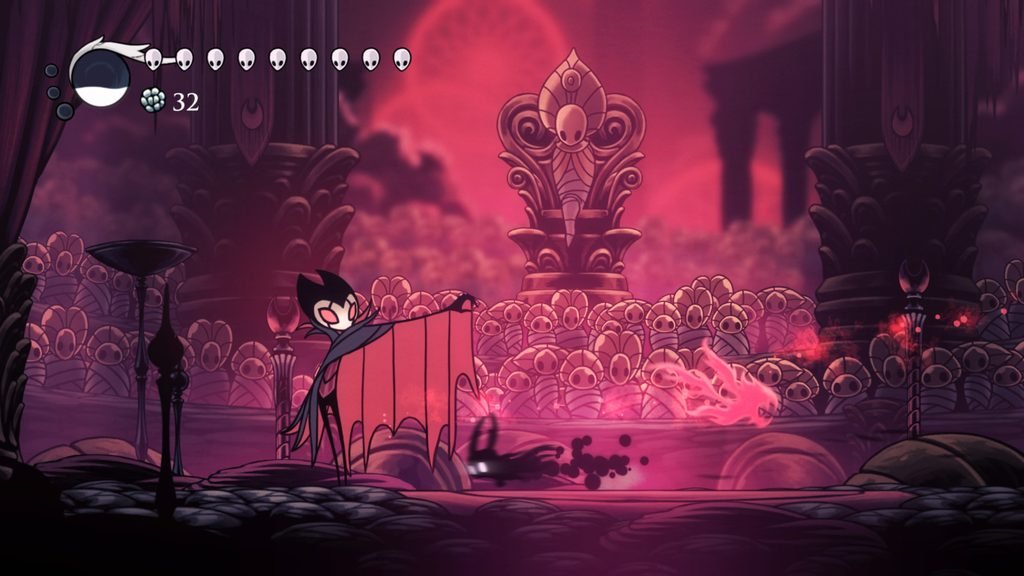
Image source: Steam
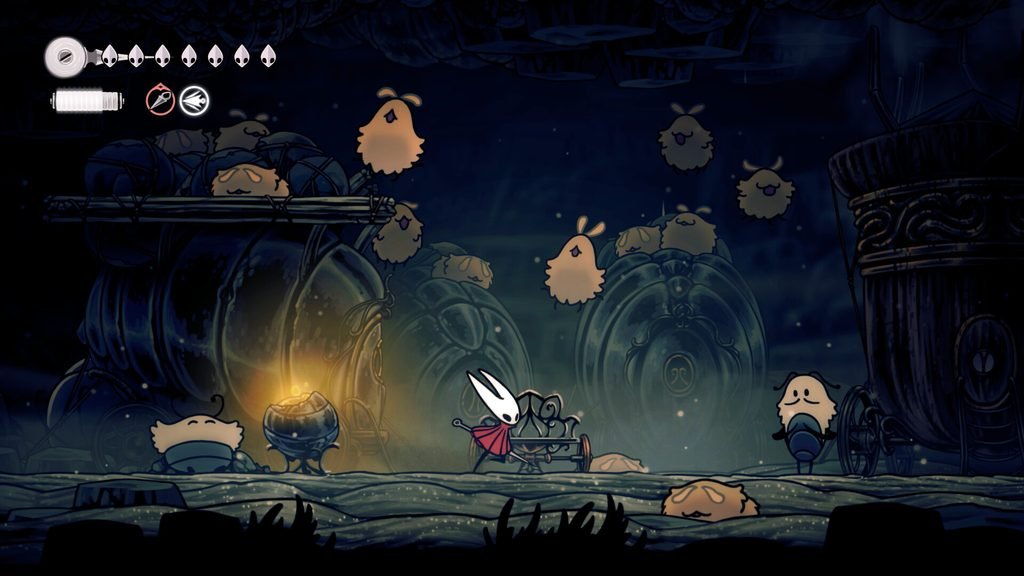
Image source: Steam
These games do not feel memorable because they are small. They feel memorable because they have a recognizable identity.
Even small imperfections can sometimes contribute to that charm. A slightly unusual animation, an unexpected dialogue exchange, or a strange detail hidden in the environment can make a game feel more personal than a perfectly polished but predictable experience.
There is also a closer relationship between many independent developers and their communities. Smaller teams can interact directly with players through Discord servers, development blogs, and community discussions. Feedback can reach the people actually making the game without passing through multiple layers of corporate management.
That connection does not guarantee better development decisions, but it can make players feel like they are following the creation of something rather than simply purchasing a finished product.
How Indie Games Shape the Future of Gaming
Independent developers have played an enormous role in shaping modern gaming. While major publishers have the resources to produce technically ambitious experiences, smaller studios frequently have more room to experiment with unconventional mechanics and gameplay structures.
The modern roguelike and roguelite scene has also been shaped by independent releases. Games such as Spelunky 1 and 2, FTL: Faster Than Light, and The Binding of Isaac helped popularize different approaches to procedural generation, unpredictable runs, and replayability. Their influence can still be seen throughout the industry today.
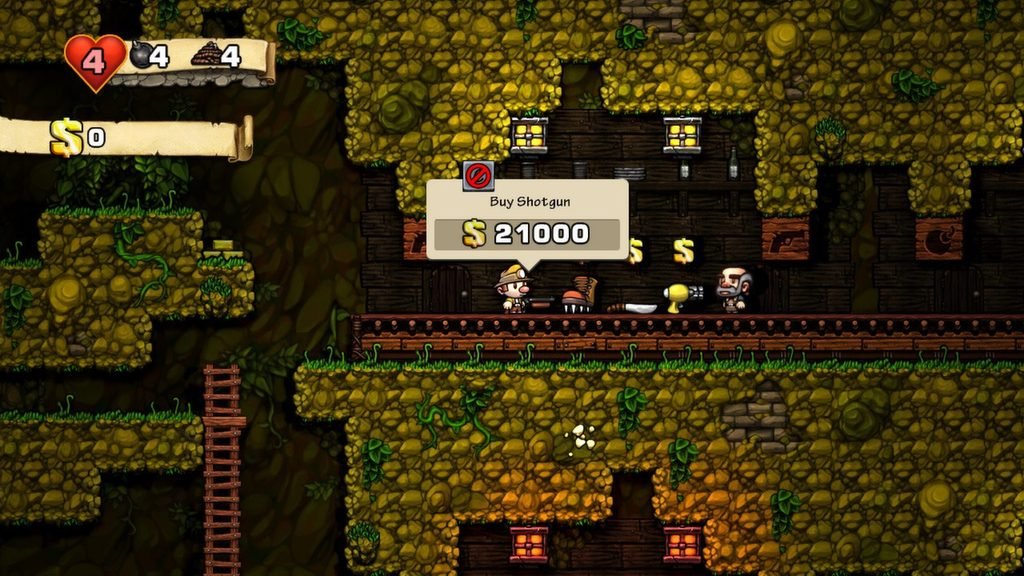
Image source: Steam
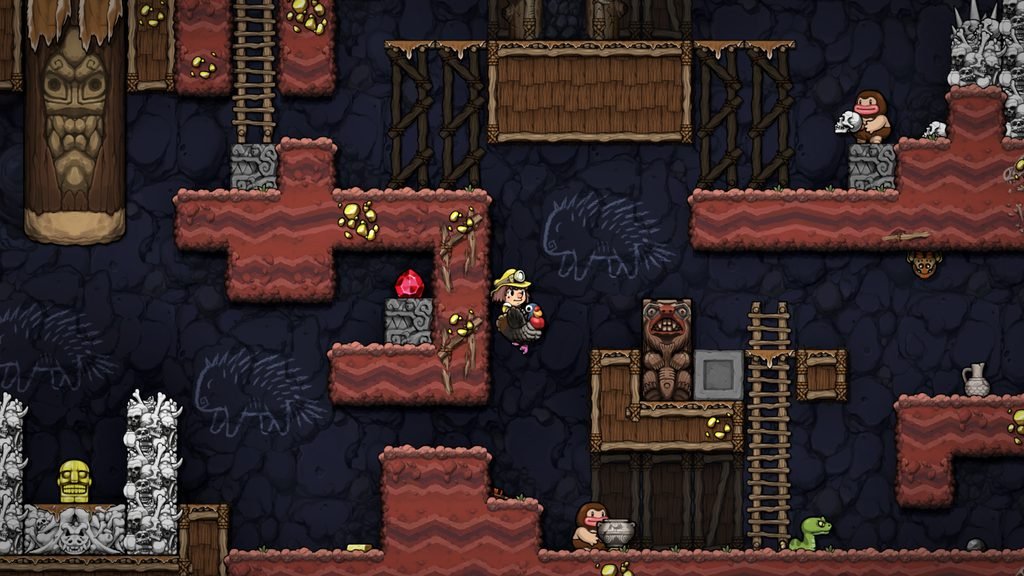
Image source: Steam
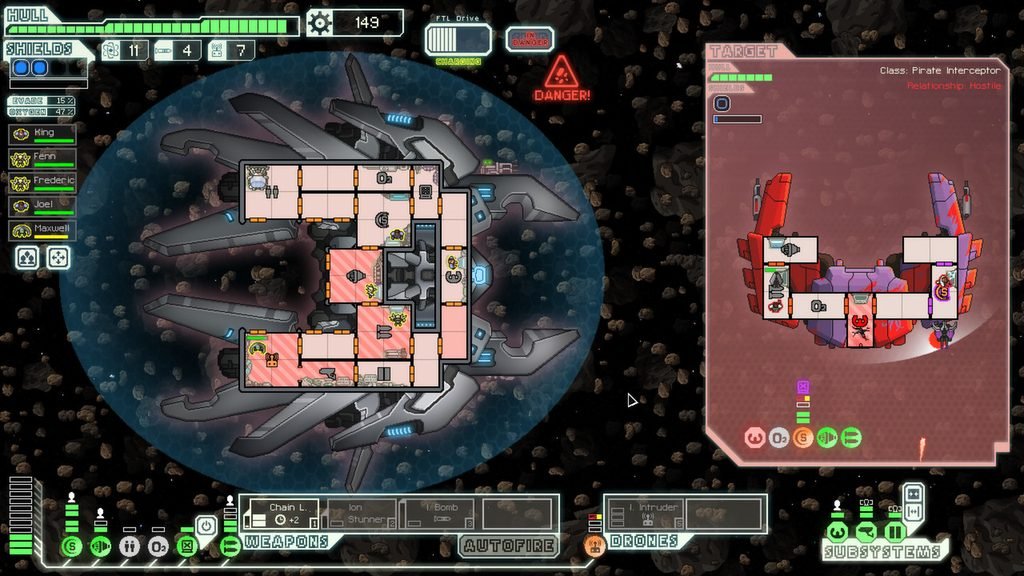
Image source: Steam
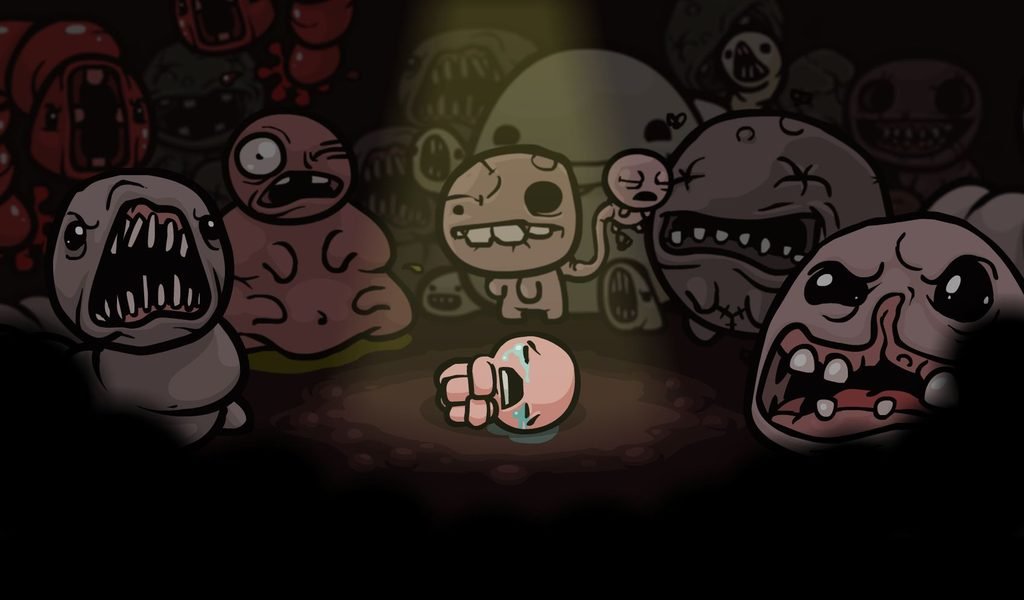
Image source: Steam
More recently, Vampire Survivors demonstrated how a relatively simple gameplay concept could become a massive success. Its automatically attacking weapons, escalating enemy waves, and satisfying progression systems helped popularize a formula that inspired numerous similar releases.
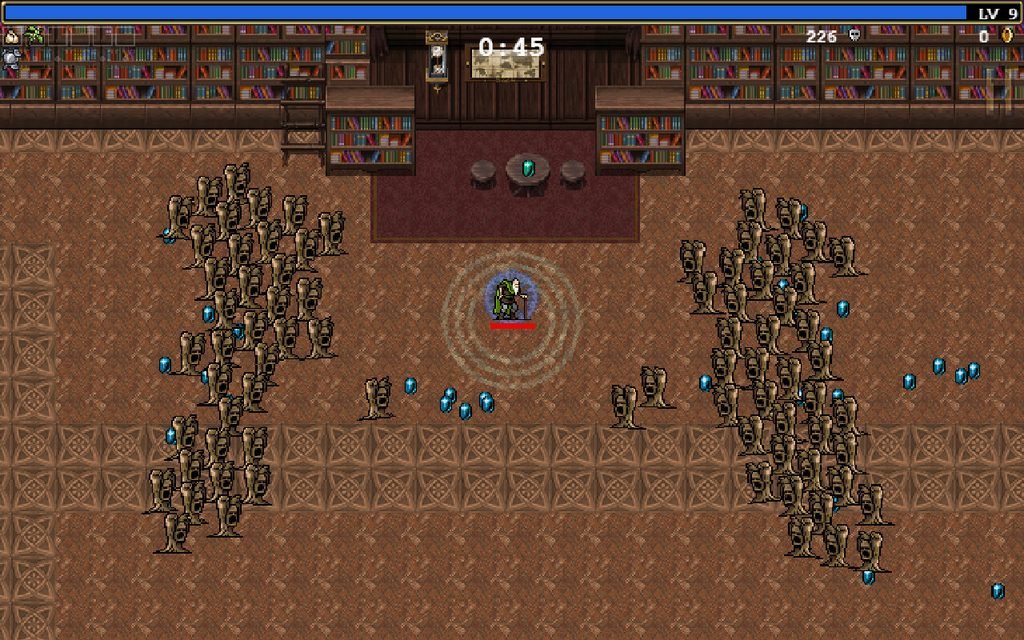
Image source: Steam
The interesting part is that these games did not need to compete with major productions through graphical fidelity or cinematic presentation. They found success by identifying enjoyable gameplay ideas and developing them into something players wanted to experience again and again.
Of course, innovation is not exclusive to independent studios. Major developers continue introducing impressive mechanics, technical achievements, and entirely new approaches to game design. However, independent games often provide an environment where unusual concepts can be tested without requiring the financial commitment of a blockbuster production.
Sometimes, an idea that initially seems too strange or too small for a major publisher can eventually influence an entire corner of the gaming industry.
What Is Our Opinion?
At Spawnzone, we love video games in all shapes and sizes, and we certainly do not believe AAA titles are doomed or pointless. There is still something special about getting lost in a massive cinematic adventure, exploring a beautifully realized world, or experiencing a carefully crafted story with impressive production values. Large-scale games can deliver experiences that smaller studios simply do not have the resources to create.
That human spark is also the main reason handcrafted projects stand out even more as generative tools flood digital storefronts. If you want to explore why algorithms still fail to replicate true empathy and creative intent, read our deeper breakdown on Why AI Cannot Replace Game Design. You can also check out our stance on the dark side of rapid automation in Why Using AI to Clone Games Needs to Stop Right Now, or dive into our practical guide on How to Spot a Cheap AI Asset Flip on Steam Before Spending Your Money so your support keeps going to the indie creators who truly earn it.
We also recognize that being an indie developer does not automatically make a game original, enjoyable, or worth playing.
No comments yet
Be the first to share your opinion on this article.