
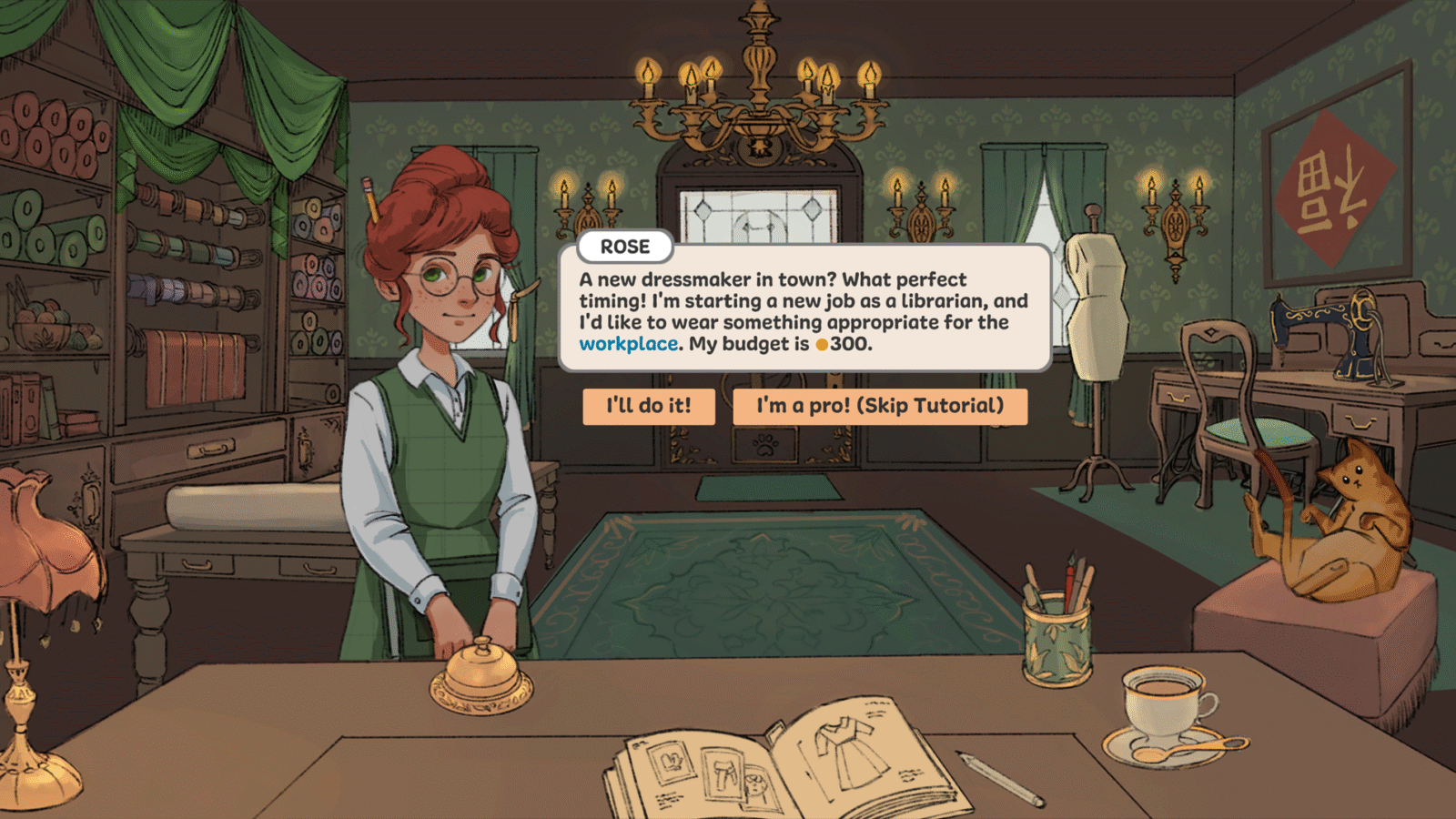
Sewing simulators rarely capture the tactile, frustratingly intricate reality of textile work. Most titles reduce tailoring to clicking color palettes or dragging pre-fab garments onto wireframe models. Enter Dressmaker, a surprisingly absorbing indie darling developed by Ruan Rothmann, Sara Laubscher, Sabrina Becker, and Jonathan Hau-Yoon (alongside Free Lives’ early jam roots). Originally launched as a prototype on Itch.io before blossoming into a full-scale commercial release on Steam, this cozy creative sim asks players to trace, cut, pin, and stitch garments piece by piece. It treats fabric physics and pattern layouts with an addictive, hands-on reverence that has hooked thousands of simulation fans.
From Game Jam Roots to Full-Fledged Fabrications
The genesis of Dressmaker traces back to a modest three-week game jam prototype developed by Free Lives, which later expanded under the core creative team’s vision. What started as an experimental sandbox of digital tailoring grew into a fully realized game loop that marries precision puzzle-solving with time management. Running smoothly across Windows, macOS, and Linux, the codebase utilizes efficient engine foundations that keep performance snappy even on older portable rigs.
The development journey wasn’t without its hurdles—the small four-person team candidly noted feeling overwhelmed by the unexpected wave of community enthusiasm and the nuances of platform deployment. Transitioning from an itch.io prototype to a complete commercial build meant tackling demanding optimization passes, UI fine-tuning, and preparing upcoming mobile and console ports. Despite minor memory leaks and multi-monitor quirks on certain desktop setups, the core programming delivers an impressively responsive tactile sensation: fabric rolls unspool smoothly, scissors glide with satisfying resistance, and the rhythmic clack of the sewing machine anchors every session.
Tactile Textures and Aesthetic Elegance
Visually, Dressmaker opts for a clean, stylized aesthetic that prioritizes readability without sacrificing charm. The interface centers around a circular workspace—reminiscent of a well-lit cutting table—where bolts of fabric unfurl in vibrant hues and delicate patterns. The UI/UX choices deserve special praise; handling patterns, pinning templates down, and navigating customer requests feel organic, using drag-and-drop mechanics that mimic real-world tailoring tools.
Sound design elevates the cozy atmosphere from pleasant to hypnotic. The acoustic landscape is filled with the crisp rasp of fabric shears cutting through silk, the distinct metallic clink of dropped pins, and the steady, rhythmic mechanical thrum of the sewing machine. Composed by Meydan, the background score provides a gentle, low-stress auditory cushion that encourages focus, turning what could be stressful timed orders into a soothing, meditative craft session.
Community Craze and Tailored Feedback
The indie community rallied around Dressmaker with fierce enthusiasm, turning its Itch.io prototype page and Steam community hubs into bustling forums of shared tips, custom mod requests, and garment showcases. Players frequently trade strategies on maximizing pattern efficiency to minimize fabric waste, while speedrunners and casual decorators alike share screenshots of their most outlandish or elegant haute couture creations.
Community feedback also steered post-launch updates. Players clamored for expanded late-game economic sinks—such as high-end imported textiles and luxury accessories purchasable with accumulated gold—and voiced hilarious love-hate relationships with the game’s more demanding sewing minigames (affectionately dubbed terrifying trials by novices). The developers’ active presence on Discord and open communication regarding future console and mobile aspirations have fostered an exceptionally warm, collaborative developer-player ecosystem.
Summary & Final Verdict
Dressmaker is a triumph of niche simulation design. It takes a mundane, highly specialized craft and gamifies it with meticulous attention to detail, resulting in an experience that is equal parts relaxing and deeply engaging. While the Itch.io version remains a treasured prototype snapshot, diving into the full commercial ecosystem reveals an extraordinarily polished loop that rewards patience, creativity, and steady hands. Whether you are an aspiring fashionista or simply looking for a cozy indie title to unwind with, this charming endeavor cuts straight through the noise.

No comments yet
Be the first to share your opinion on this article.