Hello, fellow gamers and creators!
Grab a cup of coffee and settle in, because today we want to talk about an issue the gaming industry needs to pay much more attention to. At Spawnzone, we love video games as much as you do. We appreciate the creativity, countless hours of development, and passion that go into creating the virtual worlds we enjoy exploring. That is exactly why we believe it is time to address a growing problem: using artificial intelligence to copy and clone existing games, particularly those created by independent developers.
AI Is Not the Enemy! It Is The Misuse Of It!
Let’s make one thing clear from the beginning: we are not against artificial intelligence. AI is becoming an increasingly important part of our everyday lives, and the gaming industry is no exception. We believe developers should be free to use these tools to improve their workflows, speed up repetitive tasks, troubleshoot code, and bring their original ideas to life. For smaller studios with limited budgets and resources, AI can be particularly valuable.
The problem begins when these tools are used not to create something original, but to imitate someone else’s work.
AI-powered tools have made it significantly easier to recreate existing game concepts, visuals, and gameplay experiences in a fraction of the time traditional development would require. What once demanded considerable technical knowledge and development resources can now be replicated surprisingly quickly. While imitation has always existed in the gaming industry, AI is making the process faster, cheaper, and more accessible to people looking to profit from someone else’s creativity.
When Inspiration Turns Into Copying
And independent developers are often the ones who suffer the most.
Imagine spending three or four years of your life developing a game, investing your savings, countless hours, and everything you have into making something unique. You finally share a trailer or a playable demo to build excitement around your project, only to discover that someone has used AI tools to create a similar game before yours even reaches the market.
A Real Example of AI-Powered Game Cloning
Unfortunately, this is not just a rare problem anymore. Several indie developers have already gone through this nightmare, while many others are now terrified of sharing their work because of how easily their projects could be stolen. Just look at some of the real stories happening right now:
Needle in a Haystack Simulator (Studio Bitdot) → A Needle In A Haystack: Sorting Game (Thinflow Games):
Independent developers Studio Bitdot found themselves facing another copycat after their game went viral on social media. Developed and published by Thinflow Games, A Needle In A Haystack: Sorting Game adopted the same central concept of searching through a massive pile of hay to find a hidden needle. Its similar title and gameplay raised questions about how easily smaller developers’ ideas can be reused by others looking to benefit from an existing game’s popularity. Even more notably, Thinflow Games disclosed using generative AI to create some of the game’s images. While this does not prove that AI was used to develop the game itself, it adds another layer to the controversy surrounding AI-assisted copycats.
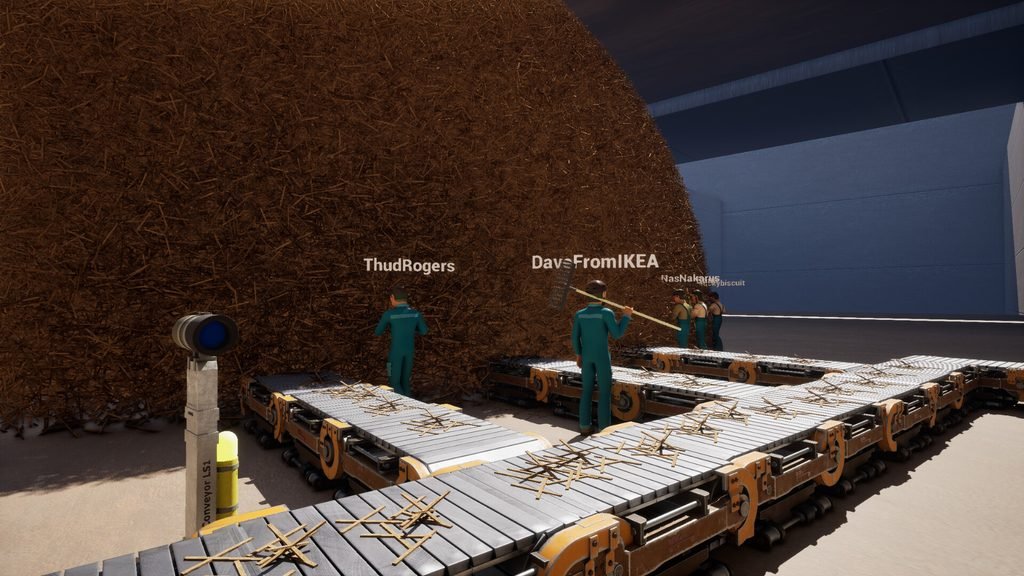
Image source: Steam
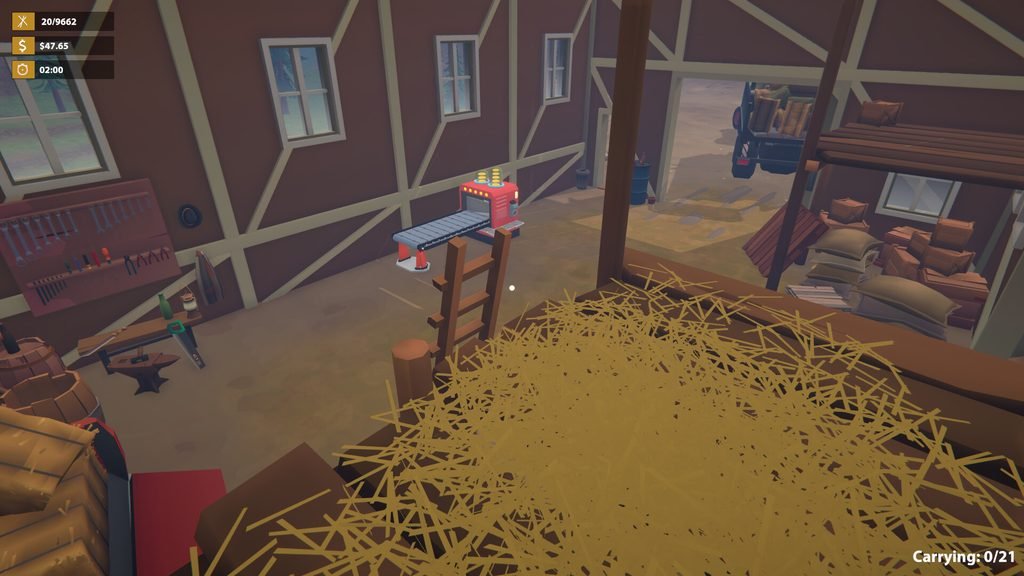
Image source: Steam
Meccha Chameleon (lemorion_1224) → Scribble Hunt (Scribble Bunny):
After Meccha Chameleon became a massive hit, it didn’t take long for copycats to appear. One of the most obvious examples was Scribble Hunt, a Steam game that closely replicated the original’s hide-and-seek gameplay, including its signature mechanic of painting characters to blend into their surroundings. Even more controversially, its Korean store title reportedly used the exact same name as the original game. Scribble Hunt also disclosed the use of generative AI for some promotional artwork and store images, raising further questions about how AI tools can be used to capitalize on another developer’s success.
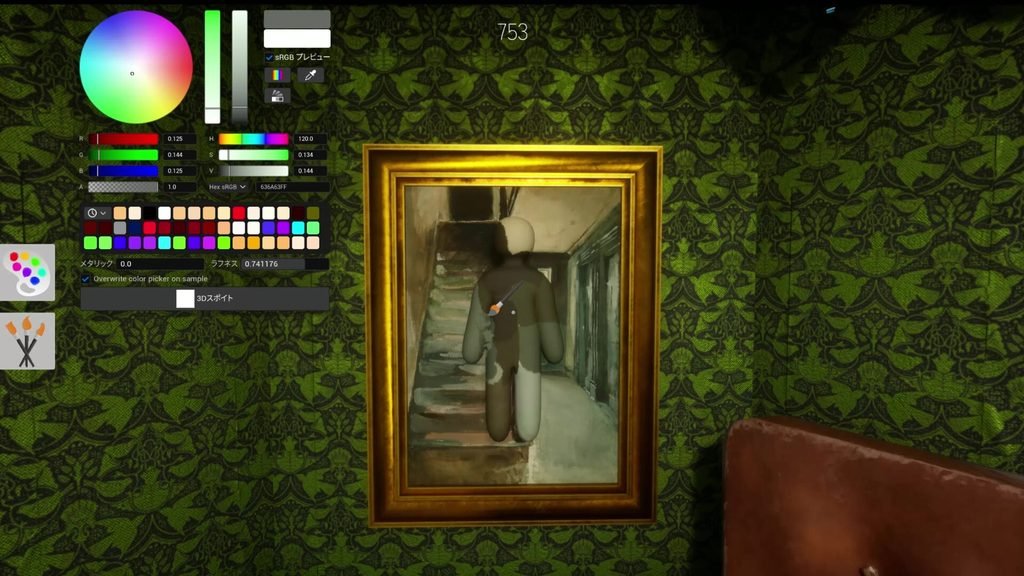
Image source: Steam
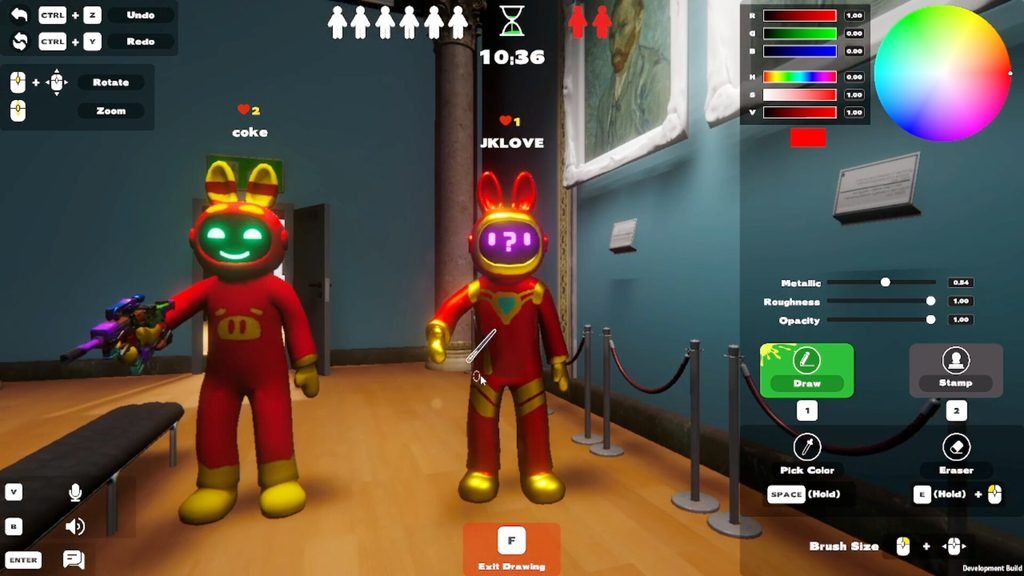
Image source: Steam
On a moral level, this is just plain wrong. Making a game is a deeply human form of art. Stealing someone else’s dream with the click of a button is unethical, and it crushes the spirit of independent creators. These small studios are the lifeblood of the gaming industry. They take the biggest creative risks and give us the most unforgettable experiences. They deserve way more support, love, and protection from all of us, rather than having their hard work torn down by greedy copycats looking for a quick buck.
When Sharing Your Work Becomes a Risk
These cases highlight a growing problem for independent developers: sharing your work with the community can now come with unexpected risks. Some creators are becoming increasingly cautious about releasing public demos, showing unfinished gameplay or revealing too much about their projects before launch. While demos have traditionally been a great way to build excitement and receive player feedback, the possibility of having their ideas, visuals or mechanics quickly copied makes some developers think twice. No creator should have to hide their work out of fear that someone else will use AI to replicate it and profit from their creativity. Protecting original ideas and respecting intellectual property should never come at the expense of a developer’s freedom to share their progress.
Drunken Goddess Reflux (WHO YOU and Alliance Arts): Back in October 2026, publisher Alliance Arts actually had to cancel the planned public Steam demo for this game and replace it with private play sessions. One of their biggest fears was that people would use AI tools to copy the gameplay and visuals, letting clones hit the market before the real game even launched.
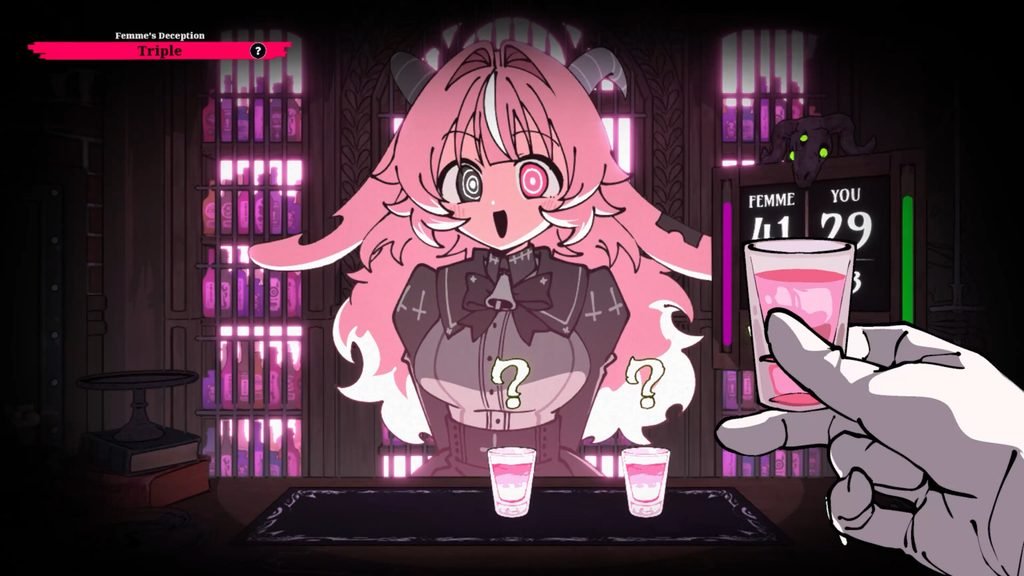
Image source: Steam
Why Independent Developers Deserve Protection
Independent studios play an essential role in keeping the gaming industry creative and diverse. They often experiment with unusual concepts, take creative risks, and deliver experiences larger studios might never attempt. Without them, the industry would lose much of the originality that makes gaming so exciting.
That is why we believe digital storefronts and gaming platforms need to take this issue more seriously. Developers should have better ways to report misleading clones, protect their original work, and prevent players from being tricked into purchasing imitations. Players also have a role to play by supporting original releases, researching unfamiliar titles, and bringing attention to obvious copycats.
At Spawnzone, we believe AI should help developers create more, not make it easier for others to take credit for their work. There is nothing wrong with embracing new technology, but innovation should never come at the expense of the people who make the gaming industry what it is today.
Let’s support original creators, celebrate genuine creativity, and make it clear that copying someone else’s hard work for a quick profit should not be the future of gaming.
If you agree with us, share this article with your friends, fellow gamers, and across your social media channels. The more people understand this issue, the harder it becomes to ignore. And we’d love to hear your thoughts: where should we draw the line between inspiration and outright copying?